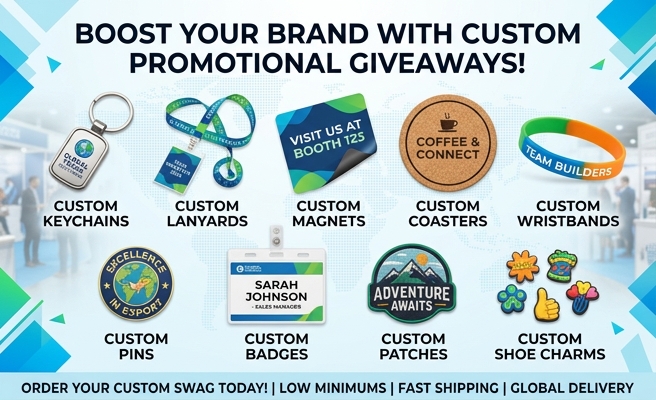
Custom Event Wristbands 2026: 7 Buying Factors
Why Small Wristband Decisions Create Big Event Problems
Choosing Custom event wristbands sounds simple until the wrong material tears at check-in, the print smudges in the rain, or a cheap closure leads to gate-crashing halfway through your event. Organizers usually feel the pain too late: long entry lines, poor brand visibility, refund complaints, and staff scrambling to fix access issues on the fly.
That is why experienced suppliers matter. Best Patches has worked with brands, schools, festivals, fundraisers, and venue teams that need wristbands to do more than look good. The best programs balance comfort, security, speed, design quality, and budget before the first box even ships.
Custom event wristbands are branded identification bands made for admission control, age verification, VIP access, cashless systems, and promotional visibility at live events. They can be produced in materials such as Tyvek, vinyl, silicone, fabric, or RFID-enabled blends, depending on how long the event lasts and how much security is required.
If you are buying wristbands for 2026, the goal is not just picking a color and adding a logo. The real job is matching the wristband to your crowd behavior, venue rules, fraud risk, weather conditions, and fulfillment deadline.
Table of Contents
- Material drives comfort, durability, and security
- Print method affects readability and brand impact
- Security features must match your risk level
- Smart access and data features are growing fast
- Budget should be measured by total event cost
- Lead times and vendor reliability can break a launch
- Sustainability now influences event perception
- How Best Patches plans a better wristband program
Material Drives Comfort, Durability, and Security
The first buying decision is the one most teams underestimate: material. A wristband that feels fine in a product photo can fail fast under sweat, water, friction, or all-day wear. Material affects scanning, tamper resistance, print sharpness, and whether guests keep the band on without complaint.
For single-day admission, paper-style Tyvek remains popular because it is lightweight, low-cost, and difficult to reseal once removed. Vinyl works better for multi-day use where durability matters. Fabric and woven options feel premium and are often chosen for festivals, VIP credentials, and brand-heavy experiences. Silicone is less about ticketing and more about fundraising, awareness campaigns, and long-term promotional wear.
- Tyvek: Best for one-day events, fast check-in, and tight budgets
- Vinyl: Best for waterparks, resorts, and multi-day admission
- Fabric: Best for festivals, VIP tiers, and premium branding
- Silicone: Best for campaigns, merch, and post-event brand retention
- RFID fabric or PVC hybrids: Best for access control, payment, and analytics
There is also a risk side. Soft and stylish is not always secure. Comfortable fabric bands can be ideal for guest experience, but if the closure system is weak or poorly chosen, resale and sharing become real problems. The more valuable the access, the more important the closure and anti-transfer design become.
| Event Scenario | Recommended Material | Key Security Feature | Why It Fits |
|---|---|---|---|
| College homecoming gate | Tyvek | Tamper-evident adhesive | Low cost, quick distribution, hard to swap |
| Three-day music festival | Woven fabric | Locking barrel closure | Comfortable wear plus premium branding |
| Waterpark season pass event | Vinyl | Snap closure with serial numbering | Handles water, sunscreen, and repeat use |
| Corporate summit with VIP lounges | RFID fabric hybrid | Encrypted chip access | Supports zone control and attendee tracking |
Print Method Affects Readability and Brand Impact
A wristband does not just grant entry. It carries instructions, color cues, sponsor branding, age restrictions, and in some cases QR or RFID-linked identity. If the print quality fails, operations fail with it.
Screen printing remains a common choice for bold logos and simple graphics. Dye sublimation is stronger for full-color designs on fabric because it produces cleaner gradients and sharper artwork that will not crack on wear. Laser numbering and variable data printing matter when each band must be uniquely traceable.
Good artwork decisions also reduce production errors. Thin text, low contrast combinations, and edge-to-edge logos often look great on a monitor but become unreadable when scaled to wristband size. For security programs, visual hierarchy matters more than decoration. Your band should allow gate staff to identify tier, age category, and validity in less than a second.
“The best wristband design is not the prettiest one. It is the one a tired gate team can verify instantly under poor lighting and heavy crowd pressure.”
According to Freeman’s 2024 attendee trends reporting, event participants continue to place high value on smooth on-site experiences, with wait times and operational friction directly affecting satisfaction. That matters here: a wristband is often one of the first physical touchpoints guests interact with, so readability is not cosmetic. It is operational design.
Design mistakes that cause avoidable problems
- Using dark ink on dark material
- Skipping unique numbering for high-risk events
- Choosing decorative fonts that staff cannot read quickly
- Placing critical access cues on the inside of the band
- Approving digital proofs without checking actual print scale
Security Features Must Match Your Risk Level
Not every event needs a high-security wristband, but every event does need the right level of protection. Overbuying wastes budget. Underbuying creates fraud, line congestion, and a reputational mess if unauthorized guests gain access.
Start by asking a blunt question: what happens if someone shares, removes, copies, or resells this band? For a neighborhood fundraiser, the damage may be minor. For a ticketed concert, alcohol-controlled venue, or backstage pass system, the downside can include revenue loss, safety issues, and insurance complications.
Security features worth comparing include:
- Serial numbering for visual verification and inventory control
- Barcodes or QR codes for scan-based entry
- RFID or NFC chips for access zones and payment
- Tamper-evident closures that show removal attempts
- Holographic foil or UV ink for anti-counterfeit protection
The challenge in 2026 is that counterfeiters are getting better at reproducing basic visuals. A plain color band with a simple logo no longer provides much protection for premium events. If your tickets are expensive, your wristband should include at least one feature that is difficult to duplicate quickly.
Smart Access and Data Features Are Growing Fast
One of the biggest shifts in Custom event wristbands is the move from passive ID to active event infrastructure. Wristbands increasingly connect to check-in systems, access zones, activation booths, and cashless purchases. That shift is not just for giant festivals anymore. Mid-size conferences, sports venues, and brand activations are adopting it because it reduces manual errors and improves throughput.
According to Deloitte’s 2024 consumer research on connected experiences, users increasingly expect seamless physical-to-digital interactions, especially when mobile and contactless systems are involved. Wristbands fit that expectation because they reduce phone fumbling, paper tickets, and visual confusion at busy entrances.
That said, smart features bring tradeoffs. RFID programs require stronger vendor coordination, scanner testing, chip encoding accuracy, and privacy planning. If your team is not ready operationally, “smart” can become “fragile” very quickly.
When smart wristbands are worth it
Smart features usually make the most sense when you need:
- Multiple access levels across one venue
- Fast re-entry control
- Cashless food, beverage, or merchandise payments
- Activation tracking for sponsors
- Post-event attendance analytics by zone or session
“Data-enabled wristbands are only valuable if the event team acts on the data. If no one will use zone reports, spend the money on stronger materials or faster shipping instead.”
For many buyers, the right call is hybrid thinking: use a premium-looking physical band with one strong digital function, rather than loading it with features your staff will never manage well.
Budget Should Be Measured by Total Event Cost
Buyers often compare wristband quotes by unit price alone. That is a mistake. The real financial question is not “Which band is cheapest?” It is “Which option lowers total event cost and risk?”
A cheaper band can create expensive downstream problems: slower entry, replacement demand, fraud, overtime labor, or sponsor dissatisfaction when branding looks weak. On the other hand, overspecifying every order can drain margin on events that simply do not need premium features.
To evaluate cost correctly, compare these line items together:
- Unit price by quantity break
- Proofing and setup fees
- Rush production charges
- Shipping speed and destination costs
- Expected replacement volume on-site
- Labor impact at entry points
- Fraud or unauthorized access exposure
IBM’s 2024 research on consumer sentiment and sustainability also points to a familiar business reality: customers increasingly notice whether brands make practical, responsible material choices. That can affect sponsor alignment and attendee perception, especially for high-visibility public events.
At Best Patches, I worked with a regional food festival that initially wanted the lowest-cost wristband available. On paper, the savings looked attractive. But after reviewing weather exposure, alcohol age checks, and re-entry needs, we recommended a vinyl band with bold color-coding and sequential numbering instead of a paper option.
The organizer pushed back on price first. Then we ran the math together. A stronger band reduced replacement stock, improved visual ID for beverage staff, and lowered the chance of transfer between guests. The higher unit cost ended up protecting ticket revenue and simplifying gate operations. That event came back the next season and reordered the same structure with only small design updates.
Lead Times and Vendor Reliability Can Break a Launch
Even a perfect design is useless if it arrives late, packed incorrectly, or missing a key access tier. Lead time risk is one of the least glamorous parts of buying wristbands, but it is one of the most important.
Ask vendors direct questions about proof approval windows, production queues, material stock availability, numbering accuracy, packaging by category, and final-mile shipping. If your event has multiple wristband types, insist on labeling that makes on-site distribution almost foolproof.
A practical buying sequence for smoother delivery
- Finalize access categories and quantities before requesting a formal quote.
- Choose material based on event duration, weather, and fraud risk.
- Approve artwork only after checking scale, contrast, and variable data.
- Request a production timeline with proof date, ship date, and contingency buffer.
- Confirm packing format by day, gate, or ticket tier to reduce on-site sorting.
- Order a realistic overage for walk-ups, replacements, and staff use.
One nonprofit gala we supported through Best Patches taught this lesson clearly. I remember the team changing sponsor logos late in the process and nearly forcing a rush remake on every VIP band. We paused, separated sponsor-heavy pieces from general admission inventory, and rebuilt the job around what truly needed revision. That decision kept the deadline intact and prevented unnecessary reprint costs.
Reliable vendors do more than print. They flag mistakes before they become expensive.
Sustainability Now Influences Event Perception
Sustainability used to be a side conversation. In 2026, it is often part of procurement, sponsorship, and public brand perception. That does not mean every event must choose the most expensive eco-material on the market. It does mean buyers should ask sharper questions about waste, recyclability, packaging, and practical use duration.
According to the 2024 Global Sustainability Study from Simon-Kucher, a significant share of consumers say environmental considerations influence purchasing choices, even when budget pressure remains real. Event buyers are seeing the same tension: attendees want responsible choices, but they still expect products to function well and not feel flimsy.
For wristbands, the smart path is balanced evaluation:
- Use short-life materials only where short-life performance truly fits
- Avoid overengineering products for single-use events
- Ask about lower-waste packaging and grouped fulfillment
- Consider reusable or keepsake-friendly options for premium tiers
- Make sustainability claims only when your supplier can support them clearly
The main risk here is greenwashing. Buyers should be skeptical of vague “eco” language with no specifics behind it. A trustworthy supplier should explain what is improved, what is not, and what tradeoffs come with the choice.
How Best Patches Plans a Better Wristband Program
The strongest wristband orders usually come from better planning, not from bigger budgets. At Best Patches, we look at wristbands as part of an event system rather than a standalone print item. That means asking how people enter, move, buy, and get verified across the full venue experience.
Our process generally starts with a short operational brief: event length, estimated crowd size, access tiers, venue environment, artwork needs, shipping deadline, and fraud concerns. Once those basics are clear, the product recommendation gets much easier and far more accurate.
What experienced buyers tend to do differently
Experienced buyers usually narrow decisions around these questions first:
- Will the band be worn for hours, days, or weeks?
- Can staff identify tiers instantly from a distance?
- Is re-entry allowed?
- Could the band be removed and reused?
- Does the event need scan data or cashless functions?
- Will weather, water, or friction damage the print?
When those answers are clear, the wristband stops being a commodity and starts becoming a tool. That is the difference between a generic purchase and a well-run event asset.
Final Take
The best Custom event wristbands for 2026 are not necessarily the fanciest or the cheapest. They are the ones that fit your event’s real operating conditions: the right material, clear print, smart level of security, realistic budget logic, dependable production timeline, and credible sustainability choices.
If you want a stronger outcome, Best Patches recommends three next steps:
- Request physical samples before approving a large order, especially for multi-day or premium events.
- Map your access levels and fraud risk first, then choose features that solve those specific problems.
- Build in a timeline buffer so artwork changes or shipping delays do not put event day at risk.
References
- Freeman 2024 Trends Report: Provided insight into attendee expectations and the impact of on-site experience quality.
- Deloitte 2024 consumer research: Supported the discussion around seamless connected experiences and contactless expectations.
- IBM 2024 consumer sentiment research: Informed the budget and brand-perception discussion tied to sustainability choices.
- Simon-Kucher 2024 Global Sustainability Study: Added context on how environmental concerns continue to shape purchasing decisions.
FAQ
What are the best materials for custom event wristbands?
It depends on event length and security needs. Tyvek is strong for one-day entry, vinyl is better for water and multi-day wear, fabric feels premium for festivals and VIP use, and RFID-enabled options work best when you need scan access or cashless payment.
How many custom event wristbands should I order?
A safe rule is to order your confirmed quantity plus a small overage for staff, replacements, walk-ups, and damaged units. Many organizers add 5% to 10%, but the right buffer depends on event complexity and how many access tiers you run.
Are RFID wristbands worth the extra cost?
They are worth it when the event needs more than visual ID. RFID bands can justify the higher price if you need:
Fast scan-based entry
Multiple restricted zones
Cashless payments
Attendance or activation analytics
How far in advance should I buy event wristbands?
For standard orders, it is smart to start several weeks ahead so you have time for proofs, revisions, and shipping. If your wristbands include unique numbering, custom closures, or RFID encoding, give yourself an even larger buffer to avoid costly rush changes.
Can custom event wristbands be made eco-friendly?
Yes, but eco-friendly does not always mean one universal material. A better approach is to match the shortest effective product life to the event need and ask suppliers about:
Material sourcing details
Packaging reduction options
Reusable premium-tier alternatives
Any verified environmental claims behind the product
What artwork file should I send for wristband printing?
Vector artwork is usually the safest option for sharp results. In most cases, suppliers prefer:
.AI or .SVG for logos and line art
High-resolution PNG for simple raster artwork
Outlined fonts to avoid type substitution issues
Clear notes for numbering, barcodes, or variable data if needed