Why Buyers Overspend on Small Accessories
If you have ever ordered custom keychains for a brand launch, school event, artist merch drop, or retail promotion, you already know how easy it is to waste money on something that looks simple on paper. A keychain is small, but the wrong material, unclear artwork, rushed production timeline, or bad supplier communication can turn a low-cost promo item into a budget leak.
That is exactly where experienced suppliers matter. Best Patches has built a strong reputation by helping brands, creators, and organizations avoid expensive ordering mistakes before production starts. The buyers who save the most are rarely the ones who choose the lowest quote. They are the ones who ask better questions early.
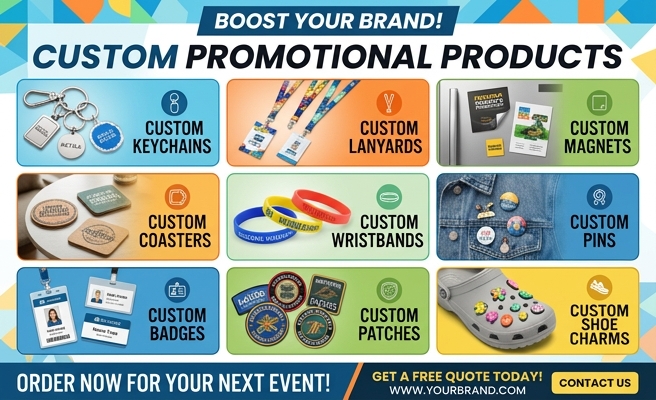
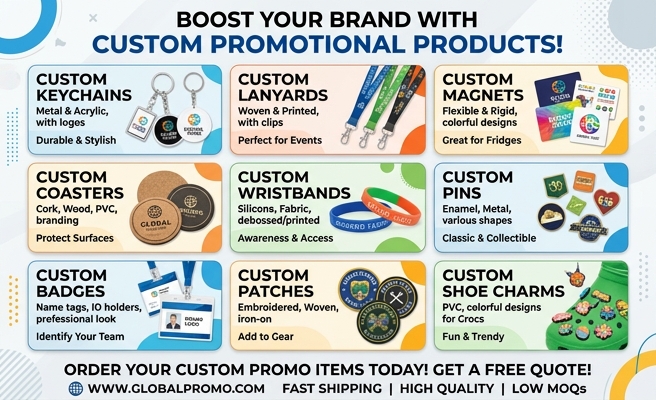
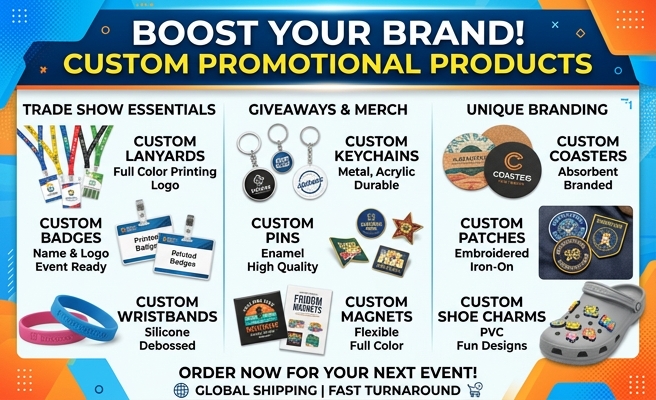
Custom keychains are personalized key holders made to match a logo, illustration, slogan, mascot, or brand identity. They can be produced in acrylic, PVC, metal, leather, wood, or mixed materials for marketing, resale, gifting, and internal company use.
Because they are practical and visible in everyday life, custom keychains are often used as promotional merchandise, retail add-ons, event giveaways, and collectible products. Their value comes from the mix of utility, design appeal, and production efficiency.
Most ordering problems come down to four avoidable errors: picking the wrong construction, approving weak artwork, ignoring full landed cost, and trusting an unrealistic timeline. Fix those four areas, and your order gets dramatically better.
Table of Contents
- Why Small Orders Go Wrong So Often
- Choosing Material by Price Alone
- Sending Artwork That Is Not Production-Ready
- Looking at Unit Price Instead of Total Cost
- Believing a Fast Timeline Without Proof
- Which Keychain Type Fits Your Use Case
- How to Order Smarter Before You Pay
- What We Learned at Best Patches
- What Buyers Should Watch in 2026
Why Small Orders Go Wrong So Often
Buyers tend to underestimate keychains because they are inexpensive compared with jackets, signage, or packaging. That is the trap. Small products have tight tolerances. A millimeter of extra thickness, a weak clasp, poor epoxy coverage, or low-resolution printing can change the entire perceived quality.
According to the 2024 ASI Ad Impressions Study, usefulness remains one of the biggest reasons people keep promotional products. That matters here. If a keychain looks nice but scratches quickly, bends, or breaks at the attachment point, it stops being useful and stops representing your brand well.
There is also a financial angle. McKinsey’s 2024 research on consumer behavior showed that buyers continue to be highly value-conscious across categories. That means your audience notices quality gaps more than ever. Saving a few cents per piece can cost far more if the item feels disposable.
“Promotional products work best when the item earns repeat exposure. Durability is not a luxury feature for a keychain. It is the whole game.”
In practical terms, good ordering is not about finding the cheapest keychain. It is about matching the right manufacturing method to the real-life way the item will be used.
Choosing Material by Price Alone
Cheap materials often create expensive outcomes
The first major mistake is treating all keychains as interchangeable. They are not. Acrylic, soft PVC, hard enamel metal, woven, leather, and wood all behave differently in production, shipping, and daily use.
Acrylic is popular because it delivers vibrant color at a friendly price, especially for artists, schools, and online stores. But acrylic can chip if the cut edge is too sharp, and thin pieces may crack if the design has narrow extensions. Metal feels premium and lasts longer, but the mold fee and finish choices can raise your up-front cost. PVC is flexible and playful, but fine text can get muddy if the design is too detailed.
At Best Patches, we regularly see buyers request a premium-looking design while choosing the least suitable base material. A luxury real estate brand should not usually use the same construction approach as a fan-art convention booth. The audience expectation is different.
Match the material to the purpose
- Retail merch: Acrylic and enamel metal tend to perform best because they display artwork cleanly and feel giftable.
- Corporate giveaways: Metal or leather-style keychains usually deliver a stronger brand impression.
- Youth events and schools: Soft PVC works well for bright mascots and durable handling.
- Eco-positioned brands: Wood, cork, or recycled-content options support the message, but they need realistic expectations about grain variation and color consistency.
The risk is simple: if you choose material by unit price alone, you may pay again in replacements, low retention, poor reviews, or dead stock.
Sending Artwork That Is Not Production-Ready
Good design is not the same as manufacturable design
The second costly mistake is approving art that looks great on a screen but fails in production. This happens constantly with custom keychains because buyers assume printers or factories can “fix it later.” Sometimes they can. Often they cannot without changing the design in ways you may not like.
Common issues include tiny text, hairline outlines, low-resolution PNG files, gradients that do not translate well to enamel or PVC, and designs without enough bleed or safety margin. A keychain is a compact item. Every small flaw gets magnified.
Deloitte’s 2025 retail outlook noted that brand perception is increasingly shaped by product detail and finishing quality, especially for lower-ticket items that people hold in their hands. In other words, tactile quality matters more than many buyers think.
What production-ready artwork should include
- Use vector files when possible, such as AI, EPS, or SVG.
- Outline fonts so text does not shift or substitute during processing.
- Mark cut lines and safe zones clearly for die-cut shapes.
- Increase line thickness and spacing for small text or intricate icons.
- Confirm front, back, epoxy, hole placement, and hardware type before approval.
I have personally reviewed orders where a customer wanted a detailed city skyline in a two-inch rubber keychain. On the monitor, it looked sharp. In sample form, the windows and thin antennas blurred together. We simplified the silhouette, enlarged the main features, and switched to a layered PVC approach. The revised sample looked cleaner and sold better at the client’s event.
“If your design only works when someone zooms in to 300%, it is not ready for a keychain.”
That is why proofing matters. A responsible supplier does more than print what you send. They flag the technical issues that protect your result.
Looking at Unit Price Instead of Total Cost
The quote is not the whole story
Buyers often compare suppliers by one line only: price per piece. That can be misleading. Your actual spend includes mold fees, setup charges, proof revisions, packaging, shipping, import duties where applicable, and rework risk if the sample is wrong.
For example, a metal keychain quote that looks expensive at first can become the smarter buy if the product has stronger perceived value and lower breakage. On the other hand, a very cheap acrylic quote can lose its advantage if each piece needs individual bagging, protective film removal, or premium backing cards.
Here is where experienced cost planning helps. At Best Patches, we encourage clients to evaluate three layers of cost:
- Production cost: material, mold, print, plating, assembly
- Landed cost: shipping, duties, rush fees, packaging
- Performance cost: returns, damage, low sell-through, weak brand impact
Ask for a full-cost breakdown
A reliable supplier should be able to tell you what changes the final cost most. Usually it is one or more of the following:
order quantity, shape complexity, number of colors, hardware selection, thickness, double-sided printing, add-ons such as glitter or epoxy, and delivery speed. Once you see those variables clearly, you can cut cost without damaging the product.
Believing a Fast Timeline Without Proof
Rush promises are one of the biggest hidden risks
The fourth mistake is trusting a deadline claim that has not been backed by a real production plan. “No problem, we can do it fast” is easy to say before art approval, sample review, and shipping are factored in.
Custom keychains may seem straightforward, but production often includes several steps: digital proofing, mold creation for certain styles, color matching, sample confirmation, mass production, quality checks, packing, and transit. One weak link can push your event date into trouble.
If your order is tied to a trade show, fundraiser, concert, or campus orientation, timeline risk is not minor. A late shipment can erase the value of the whole order.
How to pressure-test the schedule
Before paying, ask these questions plainly:
- What is the proof approval timeline?
- Will there be a pre-production sample or just digital art confirmation?
- What is the production time after approval?
- What shipping method is assumed in the quote?
- What happens if quality issues are found before dispatch?
The more specific the answers, the safer your order. Vague promises usually mean timeline risk is being passed to you.
I once worked with a nonprofit that needed custom keychains for a donor event. Their previous vendor promised delivery in under two weeks but had no buffer for artwork revisions or customs delay. The shipment missed the event. When they came to Best Patches for the next campaign, we built the timeline backward from the event date, locked the proof in the first 48 hours, and selected a production method that avoided mold delay. The order arrived early, and they reused the same process for their holiday fundraiser.
Which Keychain Type Fits Your Use Case
The fastest way to avoid waste is to align the product with the scenario. This comparison helps.
| Business Scenario | Best Keychain Type | Main Advantage | Watch-Out |
|---|---|---|---|
| Artist selling convention merch | Acrylic die-cut | Bright color, low MOQ, easy character art | Thin protruding shapes can crack |
| Corporate client gift bag | Metal enamel | Premium feel and strong brand perception | Higher setup cost and longer lead time |
| School mascot fundraiser | Soft PVC | Durable, playful, good for bold shapes | Fine detail may soften in small areas |
| Eco-focused coffee brand retail add-on | Wood or cork composite | Supports sustainability story | Natural variation can affect consistency |
No single style wins every time. The best choice depends on audience, margin target, design complexity, and how long you need the item to last.
How to Order Smarter Before You Pay
Use a decision framework, not guesswork
If you want better results, build your order around a simple screening process. The buyers who waste the least money are the ones who validate the product before they scale it.
Start with the end use. Is this item meant to be sold, gifted, or handed out free? Then work backward into material, finishing, packaging, and quantity. That sequence matters because it keeps you from paying for features your audience will not notice.
Questions strong buyers ask early
- What is the intended lifespan of the keychain?
- Will customers judge it as merchandise or as a freebie?
- Does the artwork require crisp detail or bold shape recognition?
- What is the true delivery deadline with buffer?
- Do we need individual retail packaging?
- Can we test a smaller run before committing to a large reorder?
When buyers skip those questions, they usually overspend in one of two ways: they overbuild a simple giveaway, or they underbuild a product that needs to earn revenue.
What We Learned at Best Patches
Small adjustments often save the most money
At Best Patches, we have seen a consistent pattern: the most successful custom keychains are not always the most elaborate ones. They are the ones where the concept, material, hardware, and timeline all support the same goal.
I remember a startup apparel brand that wanted four different finishes on one promotional keychain because each option looked premium in isolation. Once we reviewed their sell price and packaging plan, it was clear the add-ons would crush margin without adding enough customer value. We simplified the product to a clean double-sided acrylic design with upgraded hardware and a branded backing card. Their margin improved, the assembly time dropped, and the visual presentation still felt polished.
Another client, a regional brewery, came to us after receiving a batch from another source where the split rings loosened too easily. The artwork itself was fine. The hardware was the problem. We upgraded the attachment, adjusted the hanging hole placement, and recommended a thicker body. The cost increase per unit was modest, but the failure rate dropped sharply. That is the kind of fix buyers rarely notice until they have already paid for a bad batch.
Where experienced suppliers add real value
A strong supplier should help you do more than place an order. They should help you:
- translate art into the right production method
- remove design details that will not survive manufacturing
- compare finishes honestly, including drawbacks
- forecast hidden costs before invoice approval
- protect your deadline with realistic scheduling
That advisory role is often the difference between buying a product and making a smart merchandising decision.
What Buyers Should Watch in 2026
Customization is getting sharper, but expectations are rising too
In 2026, buyers are asking for more than a logo on a basic shape. They want collectible feel, retail-ready packaging, better hardware, and sustainability signals that are believable rather than performative. At the same time, budget pressure has not gone away.
That combination creates a new standard: practical quality. You do not need the most complicated custom keychains on the market. You need pieces that feel intentional, hold up in daily use, and align with your brand positioning.
Current trends worth watching include layered acrylic, mixed-material builds, matte metal finishes, short-run merch programs for creators, and packaging that turns a low-cost accessory into a giftable item. These trends can be profitable, but only if the design and production choices are disciplined.
The risk on the horizon is also clear. As more suppliers advertise ultra-fast turnaround and ultra-low pricing, variation in quality becomes wider. That makes proofing, material selection, and supplier communication even more important than before.
Final Take and Recommended Next Steps
Money gets wasted on custom keychains when buyers focus on the quote instead of the outcome. The four biggest mistakes are choosing material by price alone, approving artwork that is not production-ready, ignoring total landed cost, and trusting an unproven rush timeline.
Best Patches recommends three practical next steps:
- Request a material recommendation based on your audience, not just your budget.
- Ask for a full proof and total-cost breakdown before approval.
- Test one optimized design first if you are unsure about sell-through or giveaway performance.
If you treat keychains like a strategic branded product rather than a throwaway accessory, you will usually spend smarter and get far better results.
References
- ASI Ad Impressions Study, 2024: Provided context on why usefulness and retention matter in promotional products.
- McKinsey consumer research, 2024: Supported the point that buyers remain highly value-conscious, which raises the stakes on product quality.
- Deloitte retail outlook, 2025: Reinforced the importance of product detail, finishing quality, and perception in customer-facing merchandise.
FAQ
What is the best material for custom keychains?
-
It depends on your goal. For durability and a polished look, metal is hard to beat. Acrylic is a strong choice for colorful retail merch, while PVC works well for playful shapes and school or event giveaways. If your brand leans eco-conscious, wood or cork can support that message.
How can I avoid overpaying for custom keychains?
-
Compare total landed cost, not just unit price. Ask about mold fees, packaging, shipping, hardware upgrades, and rush charges. You can often save more by simplifying the shape or finish than by choosing weaker materials.
What file format should I use for a keychain design?
-
Vector files are usually the safest choice because they stay sharp during production. Good options include:
.AI, .EPS, or .SVG for clean scalable artwork
.PNG with transparent background if vector is not available
Text should be outlined to avoid font issues
Low-resolution screenshots and compressed JPG files should be avoided
Do keychain manufacturers usually have minimum order quantities?
-
Yes, most suppliers do. The minimum can range from a very small short run to several dozen units depending on the material, shape, and production method. Acrylic orders often allow lower MOQs than custom molded metal styles.
How long do custom keychains take to produce?
-
Timelines vary by style and quantity, but your schedule should account for:
art review and proof approval
sample creation if required
mass production time
shipping method and customs risk where relevant
Can I sell keychains with copyrighted images?
-
Usually not unless you have permission or a license. Safer alternatives include:
creating original art inspired by a theme rather than copying protected content
working with licensed artwork or official brand partnerships
getting written approval before production if you are using a logo or character
Should I order a sample before a large keychain run?
-
Yes, especially if your design is complex, your deadline is important, or you are ordering for resale. A sample can catch issues with color, thickness, hardware, finish, and readability before you commit to the full quantity.