Introduction
Choosing custom patches sounds simple until you are staring at embroidery options, backing choices, color limits, production timelines, and a budget that keeps shrinking. For marketing teams, apparel brands, clubs, and event organizers, the wrong patch can lead to weak brand impact, poor durability, or inventory that never gets used.
That is where Best Patches stands out. As a specialist brand working with businesses, creators, teams, and organizations, Best Patches helps buyers match patch style, material, and application method to the real-world use case instead of guessing based on looks alone.
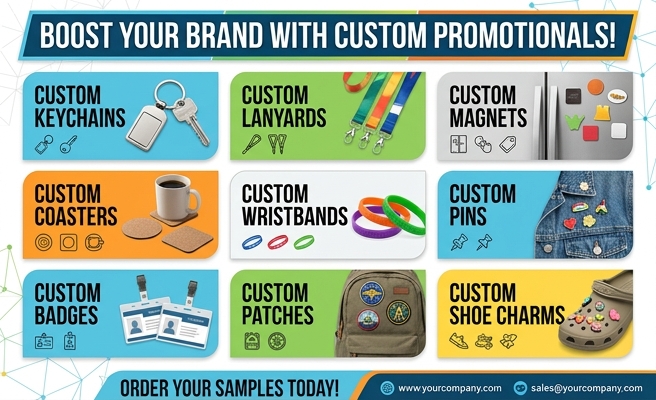
Custom patches are branded or decorative fabric-based emblems made with techniques such as embroidery, woven construction, PVC molding, chenille, leather finishing, or printed surfaces. They are used to identify, promote, personalize, and elevate apparel, uniforms, bags, hats, and merchandise.
The right patch does more than decorate a garment. It can raise perceived product value, improve team identity, support retail storytelling, and create a collectible item customers actually want to keep.
Table of Contents
- What custom patches are and why brands use them
- Main types of custom patches
- Patch materials and how they affect performance
- How to choose the right backing and attachment method
- Comparing patch styles by business use case
- Design rules that improve patch quality
- Cost, minimums, timelines, and common mistakes
- How Best Patches helps brands get better results
- Future trends shaping custom patches in 2026
- Conclusion
What Custom Patches Are and Why Brands Use Them
Brands use patches because they solve several problems at once. They add identity without printing directly onto every garment, they can be applied across multiple products, and they often feel more premium than flat decoration. A well-made patch gives a jacket, cap, tote, or uniform a sense of permanence.
For businesses, custom patches are especially useful in these situations:
- Uniform branding for restaurants, security teams, field crews, and schools
- Limited-edition merchandise for fashion labels and creators
- Event giveaways that carry higher perceived value than flyers or stickers
- Club, military, biker, and scouting identification
- Retail accessories for denim, workwear, streetwear, and outdoor brands
According to the Promotional Products Association International 2024 consumer research, useful and wearable branded items tend to be kept longer than disposable promo materials, which is one reason patches continue to perform well in brand recall programs. That matters if you are trying to stretch acquisition costs across repeated impressions.
There is also a retail psychology angle. Texture, edge detail, and tactile decoration can make a basic garment feel more premium. In apparel, that can support stronger margins even when the raw product is otherwise simple.
Main Types of Custom Patches
Not all patch styles communicate the same brand message. The best choice depends on how much detail your artwork needs, the texture you want, and where the patch will be used.
Embroidered Patches
Embroidered patches are the classic option. Thread is stitched over a twill base, creating a raised, textured finish that feels traditional and durable. They work especially well for logos, badges, uniforms, and bold designs with moderate detail.
Best for: uniforms, heritage brands, outdoor gear, automotive clubs, workwear, team identity.
Watch for: tiny text and photo-like artwork may lose clarity.
Woven Patches
Woven patches use thinner threads and tighter construction, so they can capture finer lines and smaller text than embroidery. The result is flatter and cleaner, with less texture but greater precision.
Best for: modern logos, detailed art, labels, tactical branding, minimalist fashion.
Watch for: buyers expecting a thick, raised embroidered feel may find woven patches less dimensional.
PVC Patches
PVC patches are made from soft rubber-like material and are highly durable, waterproof, and easy to wipe clean. They suit brands that need weather resistance or a bold, molded 3D effect.
Best for: tactical gear, outdoor brands, sports accessories, luggage, hard-use applications.
Watch for: they can look too industrial for vintage or heritage apparel.
Chenille Patches
Chenille patches use looped yarn to create a fuzzy, high-pile texture. Think varsity jackets and collegiate aesthetics. They create strong visual depth and nostalgia.
Best for: school programs, sportswear, varsity collections, youth-driven lifestyle brands.
Watch for: fine detail is limited compared with woven or printed styles.
Leather and Faux Leather Patches
Leather patches signal craftsmanship, ruggedness, and premium positioning. They are common on denim, hats, aprons, and outdoor apparel. Faux leather can offer a similar look at a lower cost and with easier consistency.
Best for: artisan brands, denim labels, coffee shops, lifestyle goods, premium headwear.
Watch for: color range is narrower, and highly intricate logos may not translate well.
Printed Patches
Printed patches transfer artwork onto a patch surface, allowing gradients, photographic elements, and very complex graphics. They are useful when embroidery or weaving would simplify the art too much.
Best for: illustrations, color-rich logos, complex art, event merchandise.
Watch for: printed surfaces may not deliver the same tactile luxury as embroidery.
“The best patch is not the fanciest one. It is the one that survives the use environment while keeping the brand recognizable at a glance.”
Patch Materials and How They Affect Performance
Material choice changes how a patch looks, feels, and lasts. A patch for a chef coat has different requirements than a patch for a fashion cap or a hiking backpack.
Twill Base Fabric
Twill is the workhorse base for embroidered and printed patches. It is stable, cost-effective, and available in many colors. It supports clean stitching and works well for everyday brand applications.
Thread Type
Rayon thread is bright and silky, while polyester thread typically performs better in sunlight, moisture, and repeated washing. If the patch will live outdoors or on uniforms, polyester is often the smarter long-term pick.
PVC Compound
PVC patches hold shape well, resist water, and support layered 3D effects. They are ideal when dirt, rain, friction, or rough handling are part of the equation.
Leather and Faux Leather Substrates
Real leather develops character over time, which can be an asset for authentic lifestyle branding. Faux leather gives greater color consistency and usually lower cost, making it easier for larger production runs.
Border Finish
Merrowed borders create the classic overlocked edge seen on traditional patches. Laser-cut or heat-cut borders allow more custom shapes and cleaner silhouettes. If your logo has sharp contours, a custom cut edge may matter as much as the patch material itself.
How to Choose the Right Backing and Attachment Method
Backing is not a minor detail. It determines how your patch is applied, whether it can be removed, and how it performs over time.
Sew-On Backing
Sew-on is the most secure and versatile option. It works across uniforms, outerwear, bags, and garments that see repeated washing. It takes more labor, but for longevity, it remains a top choice.
Iron-On Backing
Iron-on backing is popular for convenience and lower application effort. It is good for promotional runs and lighter-use products, though it may weaken over time on stretchy, coated, or heavily washed fabrics.
Velcro Hook-and-Loop Backing
Velcro is excellent when patches need to be swapped, updated, or removed for washing or role changes. This is common for tactical gear, staff roles, and some event operations.
Adhesive Backing
Adhesive backing is usually temporary. It can be useful for short events, mockups, or positioning before sewing, but it is rarely the best final attachment method for long-term use.
Pin Backing
Pin-backed patches function more like badges and are useful on garments where sewing is not practical. They are flexible but less stable than sewn application.
Here is a practical selection process many brand buyers follow:
- Define the use environment: fashion, industrial, outdoor, sports, or promotional.
- Match patch style to artwork detail and brand tone.
- Choose backing based on permanence, wash frequency, and labor constraints.
- Request a digital proof and, for larger orders, a physical sample.
- Test on the actual fabric before full production.
Comparing Patch Styles by Business Use Case
| Business Type | Recommended Patch | Why It Fits | Best Backing |
|---|---|---|---|
| Restaurant chain uniforms | Embroidered patch | Professional, durable, readable logo presentation | Sew-on |
| Streetwear label drop | Woven or chenille patch | High design value with fashion-forward texture | Sew-on or iron-on |
| Outdoor gear brand | PVC patch | Water-resistant and rugged in harsh conditions | Velcro or sew-on |
| Craft coffee roaster caps | Leather patch | Premium artisan look that supports brand storytelling | Sew-on |
| Festival merch booth | Printed patch | Handles colorful artwork and fast visual impact | Iron-on |
Design Rules That Improve Patch Quality
Great patch production starts with realistic design decisions. The most common buyer mistake is forcing the wrong artwork into the wrong patch format.
Keep the Artwork Legible at Actual Size
A logo that looks clean on a laptop screen may become unreadable at 2.5 inches wide. Shrink the artwork before approval and check every letter, line, and negative space.
Limit Tiny Detail in Embroidery
Embroidery adds dimension but reduces precision. Small gradients, thin outlines, and dense text usually perform better with woven or printed patches.
Use Contrast Intentionally
Low-contrast thread combinations often disappear at a distance. Strong separation between foreground and background improves recognition on moving people, which matters for uniforms and event use.
Match Shape to Placement
Round and rectangular patches are easier to place consistently. Fully custom die-cut shapes can be more memorable, but they may complicate sewing and alignment.
“A patch has to work from six feet away first and six inches away second. Brand recognition beats decoration when the product is meant to identify a team or business.”
I have seen this firsthand with Best Patches on a hospitality project. A multi-location client originally requested a highly detailed crest with thin gold elements for server aprons and chef coats. During preproduction, we reduced the art to actual size and the center details collapsed visually. We advised simplifying the crest, increasing contrast, and switching to embroidered patches with polyester thread and sew-on backing. The revised version looked cleaner, lasted through repeated laundering, and gave the client a more consistent branded appearance across locations.
On another project, I worked with a small apparel label launching a limited hat collection. The founder wanted embroidery because it felt classic, but the logo depended on extremely small linework. We moved the order to woven patches with laser-cut edges instead. The hats sold through quickly, and customer feedback repeatedly mentioned how sharp the logo looked. That decision protected the design rather than forcing it into a format that did not suit it.
Cost, Minimums, Timelines, and Common Mistakes
Patch pricing depends on size, style, color count, backing, border, quantity, and complexity. In most cases, unit cost drops significantly at higher order volumes, but setup or mold charges may apply for some styles, especially PVC and certain custom shapes.
What Affects Price Most
- Patch size and shape complexity
- Stitch coverage or level of woven detail
- Number of thread or material colors
- Backing type and finishing requirements
- Rush production and shipping speed
Where Buyers Often Go Wrong
The biggest errors are ordering before testing the artwork at size, choosing iron-on for harsh wash conditions, and treating all patch types as interchangeable. They are not. A patch that looks great on a trade show giveaway may fail on work uniforms after repeated industrial laundering.
According to McKinsey’s 2024 State of Fashion reporting, brands continue to face margin pressure and inventory caution, which means trim and accessory decisions now carry more scrutiny. That makes getting the patch right on the first run even more important. Waste from reorders, dead stock, or weak merchandise sell-through can quickly erase the apparent savings of a cheaper initial option.
How Best Patches Helps Brands Get Better Results
Best Patches is most valuable when the project needs more than simple manufacturing. Many buyers already have artwork, but they do not yet know whether that artwork belongs on embroidery, woven construction, PVC, chenille, or leather. That decision shapes everything from readability to product returns.
The Best Patches process typically works best when clients share these details early:
- Where the patch will be used
- How often the item will be washed or exposed to weather
- Target size and garment placement
- Desired brand mood: classic, rugged, premium, youthful, tactical, or modern
- Budget range and launch deadline
That information helps narrow the right solution fast. Instead of overengineering a patch, Best Patches focuses on practical fit: what looks good, what lasts, and what supports the business objective.
Future Trends Shaping Custom Patches in 2026
The patch market is changing along with fashion, branding, and buyer expectations. Texture and collectibility are becoming more important as brands look for alternatives to flat logo decoration.
Smaller Runs With Stronger Storytelling
More brands are using patches in capsule drops, limited collaborations, and event-based releases. The patch itself becomes part of the narrative, not just a logo carrier.
Mixed-Material Looks
Hybrid approaches, such as embroidery paired with printed detail or leather paired with debossed logos, are gaining attention because they create stronger shelf appeal.
Operational Flexibility
As teams and organizations need adaptable uniforms, removable patch systems like Velcro continue to hold value for role changes, branch identification, and seasonal updates.
Premium Perception Over Pure Volume
Deloitte’s 2025 consumer insights around personalization and value perception point to a continued demand for products that feel distinct rather than mass-produced. Patches fit that direction well because they add tactile identity without requiring a full garment redesign.
Still, there are limits. Premium patch trends can tempt brands into excessive complexity. If the buyer cannot recognize the logo quickly or the application fails in real use, the patch has not done its job.
Conclusion
The right custom patch depends on three things: your artwork, your use environment, and your brand position. Embroidered patches bring classic depth, woven patches handle fine detail, PVC survives rough conditions, chenille adds bold texture, and leather supports a premium story. Backing matters just as much as style, especially when wash durability or removability is involved.
Best Patches recommends these next actions for buyers who want better results:
- Audit your artwork at actual production size before choosing a patch type.
- Match backing to real wear conditions, not just convenience during application.
- Request a proof or sample and test it on the final product fabric before placing a large order.
References
- Promotional Products Association International, 2024 consumer research — Provided context on how wearable branded products support retention and recall.
- McKinsey, State of Fashion 2024 — Supported the point that brands are under margin pressure and must make smarter product and trim decisions.
- Deloitte, 2025 consumer insights — Reinforced the growing importance of personalization and perceived product distinctiveness.
FAQ
What are custom patches used for?
Custom patches are used for branding, identification, decoration, team recognition, merchandise, uniforms, and limited-edition retail products. They are common on jackets, hats, bags, aprons, workwear, and tactical gear.
Which type of custom patches is best for small text and fine detail?
Woven patches are usually the best option for small text and fine lines because they use thinner threads and tighter construction than embroidery. Printed patches can also work well for highly complex or photo-like artwork.
Are iron-on patches durable enough for uniforms?
They can work for light-duty uniforms, but sew-on patches are usually the safer choice for frequent washing, heat exposure, or heavy daily wear. If reliability matters more than speed, sewn application is the stronger option.
How do I choose between embroidered and woven patches?
Choose embroidered patches when you want a classic raised texture and the design is bold and simple. Choose woven patches when your logo includes small lettering, thin lines, or more detailed artwork that needs sharper definition.
What is the most durable material for outdoor patches?
PVC patches are often the strongest choice for outdoor use because they resist water, dirt, and abrasion. For fabric-based outdoor patches, polyester-thread embroidery with sew-on backing is also a durable option.
Do custom patches have minimum order quantities?
Most manufacturers do set minimums, but the number varies by style, size, and customization level. Simpler embroidered or woven runs may allow lower minimums, while PVC or highly custom shapes often require larger quantities.
How long does it take to make custom patches?
Production time commonly ranges from about one to three weeks after artwork approval, depending on patch type, order size, and shipping method. Rush service may be available, but it usually increases cost.
Can custom patches help my brand look more premium?
Yes. A well-chosen patch adds texture, structure, and perceived craftsmanship to apparel and merchandise. Leather, chenille, and high-quality embroidered or woven patches can make a product feel more intentional and retail-ready.