Introduction
If you are ordering custom keychains in bulk, the wrong manufacturer can wreck your margins fast. Missed deadlines, weak plating, blurry printing, surprise mold fees, and poor communication usually show up after you have already paid a deposit. That is why vendor selection matters as much as the design itself.
At Best Patches, we have seen buyers from apparel brands, schools, nonprofits, artists, and corporate marketing teams make the same mistake: they compare unit price first and supplier reliability second. In practice, the cheapest quote often becomes the most expensive order once defects, rework, shipping delays, and customer complaints hit the project.
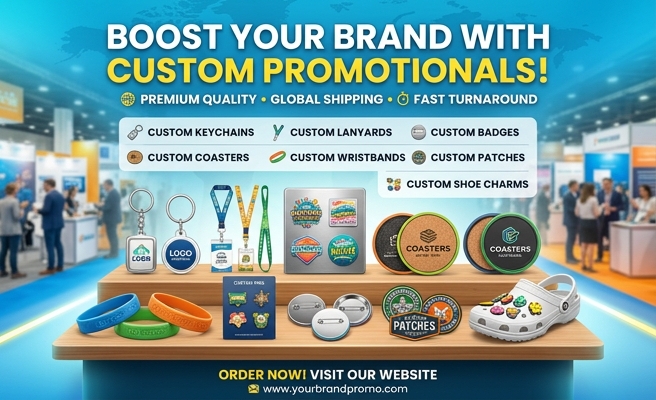
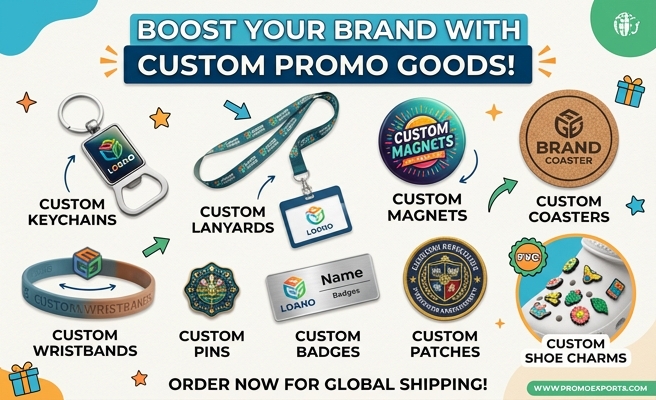
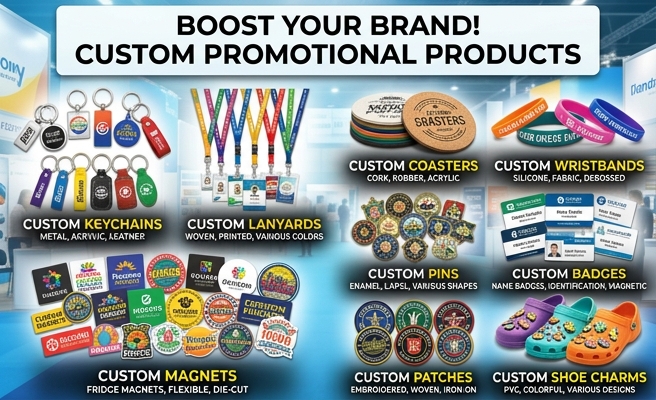
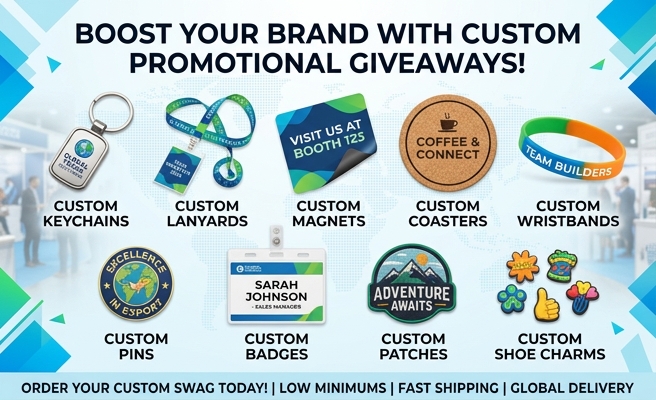
Custom keychains are personalized key holders made from materials like metal, acrylic, PVC, leather, or wood and produced with a logo, shape, name, slogan, or artwork. Businesses use them for retail merchandise, event giveaways, employee gifts, fan products, and brand promotion because they are small, practical, and highly visible.
The real job is not just finding a factory that can make keychains. It is finding one that can produce your design consistently, hit your timeline, protect your brand standards, and scale with you when demand increases.
Table of Contents
- Why manufacturer reliability matters more than price
- Define your product specs before requesting quotes
- How to evaluate a keychain supplier like a buyer
- Materials and production methods that affect quality
- A side-by-side vendor comparison framework
- Red flags that signal future production problems
- What we learned at Best Patches from real orders
- Quality control, shipping, and compliance checks
- How to negotiate pricing without hurting quality
- Your final shortlist and approval checklist
Why manufacturer reliability matters more than price
A bulk order is a supply chain decision, not just a print purchase. If your keychains arrive late for a convention, product launch, school fundraiser, or holiday campaign, the damage goes beyond the invoice. You lose sales windows, disappoint customers, and weaken trust in your brand.
According to the 2024 PwC Digital Trends in Operations survey, supply chain resilience and visibility remain top priorities for companies trying to reduce operational risk. That insight applies directly to promotional products and accessories: visibility into timelines, quality checkpoints, and communication routines often predicts a better outcome than a low headline quote.
Reliable manufacturers usually stand out in a few ways:
- They ask technical questions before quoting
- They explain material tradeoffs clearly
- They provide proofing and revision steps
- They set realistic lead times instead of overpromising
- They document plating, print, color, and packaging specs
- They have a repeatable quality control process
Cheap factories often skip those steps because they are optimized for speed and volume, not consistency. That can work for ultra-simple designs, but it is risky for custom shapes, detailed logos, multi-material builds, or retail resale programs.
“A reliable supplier is not the one with the lowest first quote. It is the one whose second and third orders look just like the first approved sample.”
Define your product specs before requesting quotes
Most buying mistakes start before the first email goes out. If your RFQ is vague, your quotes will be vague too. Manufacturers cannot price accurately when the buyer only says “need 1,000 custom keychains with our logo.”
Before you contact vendors, lock down the basics:
- Material: zinc alloy, acrylic, soft PVC, hard enamel metal, leather, wood
- Size: exact dimensions in inches or millimeters
- Thickness and weight target
- Attachment style: split ring, lobster clasp, chain, swivel hook
- Artwork method: screen print, UV print, die-struck, enamel fill, laser engraving
- Finish: matte, polished, antique, glitter, epoxy dome, transparent acrylic
- Packaging: individual polybag, backing card, retail header card, gift box
- Quantity tiers: 100, 250, 500, 1,000, 5,000
- Target in-hands date and shipping destination
According to the 2023 Adobe State of Create research, brands are under more pressure to maintain visual consistency across physical and digital touchpoints. That makes clear artwork standards even more important. If your Pantone references, bleed lines, cut lines, and logo usage rules are sloppy, the finished product will be sloppy too.
How to evaluate a keychain supplier like a buyer
Good sourcing is part verification, part pattern recognition. You are not just reviewing a catalog. You are testing whether the factory can operate like a dependable production partner.
Check communication quality first
If a supplier takes three days to answer basic questions during the sales stage, response times usually get worse after payment. Watch how they handle revisions, file review, production questions, and shipping requests. Clear English is useful, but clarity matters more than polish. A reliable team confirms details instead of guessing.
Ask for recent production evidence
Request photos or videos of recent jobs similar to yours. Better yet, ask for examples by material type. Acrylic and die-cast metal require very different capabilities. A vendor that is strong in printed acrylic charms may be weak in plated metal accessories.
Review sample policy and proof process
A strong manufacturer offers a structured pre-production process. That usually includes digital mockups, material recommendations, mold approval if needed, and a pre-production sample for larger or more complex runs.
Verify business fundamentals
You do not always need a massive enterprise factory. Small and mid-sized specialist suppliers can be excellent. But you should still verify:
- Business registration or legal entity details
- Export experience
- Primary production methods
- Average lead times by product type
- Payment terms and dispute policy
- Quality inspection process
- Ability to handle reorders
Use a practical vetting workflow
- Create one RFQ sheet with the same specs for every vendor.
- Request price tiers, sample fees, mold fees, and shipping estimates separately.
- Ask three technical questions that require expertise, not canned answers.
- Review proof quality, response speed, and revision accuracy.
- Order a sample or small pilot batch before the full run.
- Score vendors on quality, communication, transparency, and total landed cost.
Materials and production methods that affect quality
Not all custom keychains fail in the same way. Material choice determines the most likely defect category, expected lifespan, and ideal use case.
Metal keychains
Metal is usually the best fit for corporate gifting, premium merch, automotive brands, and long-term promotional use. Zinc alloy is popular because it supports custom molds and detailed shapes. Weak suppliers typically fail on plating consistency, sharp edges, poor enamel fill, or thin attachment hardware.
Acrylic keychains
Acrylic works well for artists, fandom merchandise, school stores, and colorful retail programs. Common problems include scratches, poor color reproduction, low-resolution printing, weak protective film handling, and cracked drill holes. Ask about print method, scratch resistance, and whether the edge finish is polished or standard cut.
PVC keychains
Soft PVC is durable, playful, and ideal for mascots, tourism, kids’ programs, and bold logos. The risk here is muddy detail in small artwork, inconsistent color matching, or soft material that tears at thin sections.
Leather and wood keychains
These are often chosen for boutique brands, hospitality, and eco-positioned campaigns. They can look great, but natural materials vary more than metal or acrylic. That means grain, color, engraving depth, and edge finish need tighter approval standards.
“The best material is the one that matches the job: acrylic for color impact, metal for perceived value, PVC for toughness, and leather for texture and brand feel.”
A side-by-side vendor comparison framework
Most teams compare suppliers in a spreadsheet, but they often focus too much on unit cost and not enough on landed risk. Use a decision matrix that reflects your actual business goals.
| Business Scenario | Best Material | What to Ask the Manufacturer | Main Risk |
|---|---|---|---|
| Corporate event giveaway | Metal with enamel | Pantone matching, plating durability, bulk packaging options | Late delivery before event date |
| Artist merch drop | Double-sided acrylic | Print resolution, epoxy option, protective film handling | Scratches and dull colors |
| School fundraiser | Soft PVC | MOQ flexibility, safety standards, attachment strength | Weak detail in mascot design |
| Boutique hotel gift shop | Leather or wood | Material consistency, engraving precision, retail-ready packaging | Color and texture variation |
| E-commerce subscription box | Lightweight acrylic or zinc alloy | Weight per unit, fulfillment packaging, reorder speed | Higher shipping costs and stockouts |
A useful comparison formula is simple: total landed cost + quality risk + timeline risk + reorder confidence. That tells you more than unit price alone.
Red flags that signal future production problems
Some warning signs are obvious. Others hide behind nice mockups and aggressive pricing. Here are the ones buyers should take seriously.
- Prices far below the market with no explanation
- No questions about art files, dimensions, or attachment hardware
- Refusal to separate product cost from shipping and tooling cost
- No sample option for a complex or high-volume order
- Unwillingness to discuss defect rates or quality checks
- Inconsistent answers from different sales representatives
- Only heavily edited catalog photos, no live production photos
- Pressure to pay immediately before proof approval
According to the 2025 Thomas Industrial Buying Outlook, buyers continue to rank supplier responsiveness, lead-time reliability, and quality consistency among the top factors in vendor selection. Promotional accessory sourcing follows the same rule set. Reliability is measurable long before full production starts.
What we learned at Best Patches from real orders
I once worked with a retail client through Best Patches that wanted 2,500 branded keychains for a limited product drop. Their first supplier had quoted a very attractive price, but the proof stage raised concerns right away. The attachment hardware changed between mockups, the logo line weight was softened without approval, and the production timeline kept shifting by a few days at a time. None of those issues looked catastrophic on their own. Together, they were a pattern.
We recommended pausing the order and moving to a manufacturer that charged slightly more but supplied a cleaner spec sheet, a pre-production sample, and a documented QC checklist. The final unit cost increased by roughly 11 percent, but the sell-through rate on launch week more than covered the difference because the product looked retail-grade and arrived on time. The cheaper vendor would likely have cost less per piece and much more per campaign.
In another project, I helped a school booster club source soft PVC custom keychains for a seasonal fundraiser. Their original artwork had tiny mascot details that would not mold cleanly at the target size. At Best Patches, we adjusted the line work, increased thickness in vulnerable sections, and changed the attachment point to reduce tearing. That small design intervention lowered the defect risk before production even started. The lesson was clear: a reliable manufacturer does not just produce files. They improve them for manufacturability.
Quality control, shipping, and compliance checks
Even a good factory can ship a bad order if the QC process is loose. For bulk custom keychains, quality control should cover both cosmetic and functional standards.
What to inspect before approval
- Color accuracy against brand references or approved sample
- Edge smoothness and finishing consistency
- Print alignment and readability
- Attachment ring strength and closure quality
- Thickness consistency
- Packaging accuracy and count verification
Why shipping details matter
Shipping is where buyers often lose track of true cost. Heavy metal keychains can change freight economics fast. International shipments may also face customs delays if invoices, HS codes, or descriptions are incomplete. Ask for packed carton dimensions, gross weight, shipping method options, and realistic transit windows.
Compliance is not optional in some markets
If your order targets schools, children’s products, large retailers, or regulated corporate programs, ask whether specific testing or material declarations are available. You may need documentation related to heavy metals, phthalates, or broader product safety expectations depending on the region and use case.
How to negotiate pricing without hurting quality
Price negotiation works best when you reduce complexity instead of squeezing blindly. A reliable supplier can often lower cost by adjusting the build, not by cutting invisible corners.
Here are smarter ways to improve pricing:
- Increase quantity if the volume break is meaningful
- Use standard hardware instead of specialty clasps
- Reduce plating variants or packaging upgrades
- Simplify artwork with fewer enamel fills or print passes
- Bundle repeat orders or multi-SKU runs
- Accept a realistic lead time instead of paying rush premiums
What you should avoid is pushing a supplier so hard on price that they downgrade metal thickness, plating quality, print protection, or QC labor without saying so directly. That is how “approved” samples turn into disappointing bulk runs.
Your final shortlist and approval checklist
Before you send a deposit, your shortlist should be narrow and evidence-based. You do not need twenty quotes. You need two or three serious contenders that have already demonstrated competence.
Use this final approval checklist:
- Confirm exact material, dimensions, finish, and attachment hardware.
- Approve digital proof with color, cut line, and packaging details.
- Review sample photos or physical sample for complex orders.
- Verify production time, ship date, and in-hands date separately.
- Get all fees in writing, including mold, sample, packaging, and freight.
- Confirm rework, remake, or defect resolution policy.
- Store approved files and specs for future reorders.
If a supplier resists this level of clarity, that resistance is useful information. Reliable manufacturers do not fear documentation. They rely on it.
Conclusion
Choosing the right bulk manufacturer for custom keychains comes down to consistency, transparency, and fit. The best partner is not automatically the cheapest or the biggest. It is the supplier that understands your material, communicates clearly, proves quality early, and can repeat that performance when you reorder.
Best Patches recommends three practical next steps:
- Build a detailed RFQ sheet before requesting quotes from any supplier.
- Test your top candidates with a sample or pilot run before scaling.
- Score vendors on total landed cost, proof accuracy, quality control, and delivery confidence.
That approach gives you a much better chance of getting keychains that look right, arrive on time, and support your brand instead of creating cleanup work.
References
- PwC Digital Trends in Operations 2024 — Provided context on supply chain resilience, visibility, and operational risk management.
- Adobe State of Create 2023 — Supported the importance of visual consistency and clear creative standards in branded merchandise.
- Thomas Industrial Buying Outlook 2025 — Reinforced the role of responsiveness, quality consistency, and lead-time reliability in supplier selection.
FAQ
How do I choose a reliable manufacturer for bulk custom keychains?
Start by comparing suppliers on more than price. Review proof quality, communication speed, sample policy, production evidence, lead-time accuracy, and defect handling. A reliable partner will ask technical questions, document specs clearly, and offer realistic timelines instead of vague promises.
What is the best material for bulk custom keychains?
It depends on the use case. Metal is best for premium branding and long-term durability. Acrylic is strong for colorful retail merch and artist designs. PVC works well for bold, flexible shapes, while leather and wood fit boutique or eco-positioned brands. Match the material to your audience, budget, and expected wear.
What questions should I ask before placing a keychain order?
Ask about these points before paying:
Exact material, finish, and hardware options
MOQ, tooling fees, sample fees, and freight cost
Production lead time and transit time
Proof approval process and revision limits
Quality control standards and remake policy
Are cheaper custom keychains usually lower quality?
Not always, but unusually low pricing is a warning sign. Some suppliers cut cost by reducing thickness, using weaker hardware, lowering print protection, or spending less on inspection. The better approach is to compare total landed cost with proof quality, sample accuracy, and delivery reliability.
How long does it take to manufacture custom keychains in bulk?
Typical production time ranges from about one to four weeks depending on material, complexity, quantity, and sample approval steps. Shipping adds extra time, especially for international freight. Always separate production lead time from delivery time when reviewing a quote.
Can I reorder the same design later without quality changes?
Yes, if the supplier stores your approved files, mold details, color references, and packaging specs properly. That is one reason documentation matters so much. Reliable manufacturers build repeatability into the reorder process instead of treating every new batch like a brand-new job.