Cheap Looks Cheap Fast
If you are shopping for custom keychains, the lowest quote can feel like a win right up until the order arrives scratched, faded, or missing half the details from your artwork. That is the trap. Cheap pricing often hides weak materials, thin hardware, poor color control, and slow communication that turns a simple merch order into a costly redo.
At Best Patches, we have seen the same pattern across brand launches, artist merch drops, school fundraisers, and trade show giveaways: buyers focus on unit price, then lose money on replacements, bad reviews, and products people do not actually keep. A keychain is small, but the brand signal it sends is not. If it feels flimsy, your business feels flimsy too.
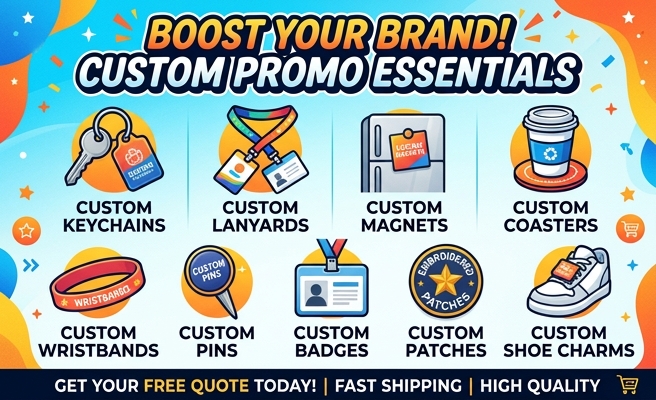
Custom keychains are personalized key holders made from materials like acrylic, PVC, metal, leather, or wood, typically branded with a logo, mascot, slogan, or original artwork. Businesses, creators, and organizations use them as merchandise, promotional items, event swag, and retail add-ons because they are affordable, portable, and highly visible.
The real question is not whether you can buy cheap custom keychains. You can. The better question is whether the “cheap” option still meets your standards for durability, print quality, shipping reliability, and brand perception. That is where most buyers get burned.
Table of Contents
- Why cheap pricing is not the same as good value
- The hidden costs buyers miss on the first quote
- Materials that make or break durability
- How to judge a supplier before you pay
- Best use cases for budget custom keychains
- When cheap becomes expensive for your brand
- A simple buying process that prevents reorders
- What we learned at Best Patches from real client projects
- Key trends shaping custom keychains in 2026
Why Cheap Pricing Is Not the Same as Good Value
A low unit cost is only one part of the math. True value comes from the total outcome: how the item looks, how long it lasts, how quickly it arrives, and whether it actually supports the purpose of the order. If a keychain breaks after a week, or if the finish chips in transit, your per-unit savings disappear.
Cheap custom keychains often look fine in a listing photo because the listing shows an ideal sample, not your exact production batch. The problem usually appears in four places:
- Weak jump rings or clasps that bend open easily
- Color shifts that make logos look off-brand
- Rough edges, thin acrylic, or soft enamel fill issues
- Packaging and shipping damage caused by poor protection
According to the 2024 ASI Ad Impressions Study, promotional products remain effective because recipients keep and use practical items repeatedly over time. That retention only works when the product is sturdy enough to stay in circulation. A broken keychain does not generate impressions. It generates regret.
The Hidden Costs Buyers Miss on the First Quote
The cheapest online offer rarely includes the full production reality. Many buyers compare suppliers using the headline unit price, but the true invoice may grow once setup fees, mold charges, proof revisions, upgraded hardware, rush production, and freight are added.
Here are the cost traps that matter most:
- Low base price, expensive shipping: This is common with overseas orders and small-batch rush jobs.
- Free proof, limited edits: The first mockup may be free, but meaningful revisions can trigger delays or extra fees.
- Sample mismatch: A polished sample is shown, but mass production uses thinner stock or different hardware.
- Defect allowance: Some factories normalize a failure rate that would be unacceptable for ecommerce brands.
- Custom shape upcharges: Die-cut edges, glitter, epoxy, or double-sided print can quickly change the economics.
One of the biggest mistakes I see is buyers treating custom keychains like commodity office supplies. They are not. They are branded products with design, materials, and fulfillment variables that directly affect customer perception.
Materials That Make or Break Durability
If you want to buy smart, start with the material. A supplier can only do so much if the base material is wrong for the job. Budget buyers often default to acrylic or soft PVC because they are affordable and visually flexible, but each option has trade-offs.
Acrylic
Acrylic is popular because it handles colorful art well and supports low minimums. It works especially well for creator merch, anime-style art, podcast branding, and school clubs. The weak point is scratch resistance. Thin acrylic also feels light in a way that can read as cheap if the artwork is not strong.
PVC
PVC keychains are soft, playful, and ideal for mascots, sports teams, and bold shapes. They are durable in daily use, but fine details can get muddy if the design is too intricate. Cheap PVC can also carry a plasticky finish that looks more novelty than premium.
Metal
Metal keychains usually cost more, but they carry weight, polish, and better perceived value. They fit automotive brands, breweries, real estate teams, military-style merch, and premium retail. The risk is not the metal itself; it is cheap plating, shallow engraving, or weak attachment points.
Leather and Faux Leather
Leather and PU leather styles can look elevated for hospitality, fashion, and corporate gifting. But “cheap leather” is often where buyers are most disappointed. Edge paint cracks, stamping lacks depth, and low-grade material peels quickly.
| Business Scenario | Best Material | Budget Range | Why It Works |
|---|---|---|---|
| Artist merch drop | Double-sided acrylic | Low to mid | Bright color, low MOQ, easy die-cut shapes |
| Trade show giveaway | PVC | Low | Durable, fun, cost-effective for volume |
| Boutique retail brand | Zinc alloy metal | Mid to high | Higher perceived value and giftability |
| Hotel or resort gift shop | Leather or faux leather | Mid | Clean branding and upscale feel |
“The buyer who only asks for the cheapest material usually pays twice. The buyer who asks how the product will be used gets better results the first time.” — Production consultant for branded merchandise sourcing
How to Judge a Supplier Before You Pay
Many bad orders can be prevented before production starts. The key is not just finding a supplier with nice photos. It is finding one with a process. Reliable custom keychain makers can explain material limits, artwork prep, hardware options, finish differences, timelines, and replacement policies without sounding vague.
Use this buying process before sending payment:
- Request close-up photos or video of actual finished orders, not just digital mockups.
- Ask what thickness and hardware are included in the quoted price.
- Confirm production timeline and shipping method in writing.
- Review the proof for cut lines, bleed, and color notes before approval.
- Ask about defect policy and how replacements are handled.
- Order a sample if the project matters to your revenue or event timing.
If a supplier cannot answer those basics clearly, the low price is not a bargain. It is a warning sign.
According to PwC’s 2024 Voice of the Consumer research, shoppers continue to show willingness to pay more for products they perceive as sustainable, durable, and trustworthy. That matters here because cheap custom keychains often fail precisely on those trust signals: materials, finish quality, and transparency.
Best Use Cases for Budget Custom Keychains
Not every low-cost keychain is a bad buy. Budget options make sense when the use case is right. If the item is intended for mass distribution, short-term event use, or low-risk audience testing, you do not always need premium metal or complex packaging.
Budget custom keychains can work well for:
- School events and student clubs
- Community fundraisers
- Convention freebies
- Brand awareness campaigns with large quantities
- Early-stage product testing for new merch designs
The trick is matching cost to purpose. A giveaway item should still feel intentional, even if it is inexpensive. Clean artwork, decent hardware, and realistic production choices can make a low-budget piece feel far better than its price suggests.
When Cheap Becomes Expensive for Your Brand
There are situations where buying the lowest-cost option is simply the wrong call. If you are selling the keychain directly, bundling it with a premium product, using it in influencer mailers, or handing it to high-value prospects, quality matters more than shaving off a few cents.
Cheap custom keychains become expensive when they lead to:
- Returns or customer complaints
- Bad marketplace reviews with product photos
- Missed launch dates because of remake cycles
- Brand embarrassment at trade shows or events
- Low attachment rates on bundles because the item feels throwaway
I have personally reviewed orders where the “saved” budget was wiped out by a second production run. One ecommerce client chose the lowest quote for acrylic charms tied to a character launch. The print looked good in the proof, but the actual batch arrived with cloudy surfaces and weak protective film that left residue. They had to issue discounts and reorder. The first order was cheap. The launch was not.
A Simple Buying Process That Prevents Reorders
If you want reliable results, simplify the decision around function, not hype. This framework works for most buyers:
Start With the Job the Keychain Must Do
Is it meant to sell, promote, commemorate, or test demand? A retail keychain needs stronger finish and packaging than a free event handout.
Choose the Right Material for the Artwork
Detailed illustration often looks better on acrylic. Bold mascot shapes may perform better in PVC. Luxury branding usually benefits from metal or leather.
Set a Realistic Price Ceiling
Do not just ask, “What is the cheapest?” Ask, “What is the best result I can get at this budget?” That question gets better answers from serious suppliers.
Proof the Parts Nobody Talks About
Buyers obsess over the front art and ignore the ring, clasp, backing card, edge finish, and packaging. Those details decide whether the item feels disposable or well-made.
“A strong proof is not just a picture of the art. It should show dimensions, bleed, hole placement, attachment type, material thickness, and finish callouts.” — Senior product developer in custom accessories
What We Learned at Best Patches From Real Client Projects
At Best Patches, we work with brands that need custom merchandise to perform in the real world, not just look good in a mockup. One lesson keeps repeating: when buyers give us the business context first, we can save them money without gutting quality.
I remember a small coffee brand that came to us after a failed import order. They wanted custom keychains for a seasonal drop and had already lost time on a supplier that promised premium metal for a suspiciously low price. The first batch had uneven plating, weak jump rings, and logo lines that filled in. We rebuilt the spec around a cleaner design, adjusted the recessed detail, upgraded the attachment hardware, and kept the order within a workable budget. Their second launch sold through, and the keychain became an add-on item instead of a customer service issue.
Another project involved a nonprofit preparing for a donor event. They initially wanted the absolute cheapest option because quantity mattered. After reviewing the audience and purpose, we recommended a mid-range PVC style with better edge definition and individual bagging. That small upgrade changed the whole impression. Guests treated the item like a keepsake, not filler. The nonprofit later reordered for a volunteer campaign because the first batch actually held up in daily use.
Those experiences shaped how we advise buyers: cut cost where the audience will not feel it, but never cut cost on core durability, artwork clarity, or hardware reliability.
Key Trends Shaping Custom Keychains in 2026
The custom keychain market is getting smarter. Buyers are no longer satisfied with generic logo pieces unless the price is extremely low. They want items that feel collectible, brand-right, and socially shareable.
Smaller Runs With Better Design Intent
Many brands now prefer tighter, better-designed runs over huge quantities of forgettable merch. This is especially true for creator brands, niche ecommerce shops, and event-driven drops.
Eco-Aware Sourcing Questions
More buyers ask where materials come from, how packaging is handled, and whether a longer-lasting product might be the greener choice than a disposable one. That does not always mean expensive. It means being more deliberate.
Layered Value Through Packaging
A simple backing card or retail-ready sleeve can increase perceived value dramatically. Cheap custom keychains look less cheap when the presentation is considered from the start.
Functional Add-Ons
Carabiner clips, bottle opener forms, NFC integrations, and combo charms are becoming more common in promotional campaigns. Buyers want more than decoration; they want utility.
Final Verdict
Cheap custom keychains are not automatically a bad idea. Bad buying decisions are the problem. If your supplier is vague, the hardware is weak, the material does not match the design, or the timeline feels too good to be true, the bargain usually falls apart after delivery. On the other hand, a budget-conscious order with smart specs can absolutely work.
Best Patches recommends three next steps if you are preparing to order:
- Define the purpose first: retail sale, promotion, giveaway, or test run.
- Request full production details: thickness, hardware, finish, packaging, and shipping in writing.
- Prioritize durability over gimmicks: better rings and cleaner print beat flashy effects on a weak base.
If you treat custom keychains as a real brand asset instead of a throwaway item, you will make better choices and get better returns from every order.
References
- Advertising Specialty Institute, 2024 Ad Impressions Study — provided current insights into how long recipients keep and use promotional products and why durability matters.
- PwC, 2024 Voice of the Consumer Survey — supported the point that buyers value trust, quality, and sustainability enough to influence purchase decisions.
- Supplier and production experience from Best Patches client projects, 2024-2026 — informed the practical recommendations on materials, proofs, hardware, and reorder prevention.
FAQ
What is the best material for custom keychains?
-
It depends on your goal. For durability and a polished look, metal is hard to beat. Acrylic is a favorite for colorful art and lower budgets, while PVC works well for playful shapes and heavy-use giveaways.
Are cheap custom keychains worth it?
-
They can be, if the use case is right. Cheap custom keychains work for giveaways, school events, and test runs, but they are risky for retail sales, premium bundles, or brand-sensitive campaigns where hardware and finish quality matter.
How much do custom keychains usually cost?
-
Pricing varies by material, size, quantity, and finish. A rough range is:
-
Acrylic: about $0.50 to $1.50 each in bulk
-
PVC: about $0.70 to $2.00 each
-
Metal: about $1.50 to $3.50 or more
-
Premium packaging or upgraded hardware: additional cost per piece
What file format should I use for custom keychains artwork?
-
Vector files are usually best, but always confirm with your supplier:
-
.AI or .SVG for clean vector art
-
.PNG with transparent background for print-ready raster art
-
Use 300 DPI or higher for sharp output
-
Outline text to avoid font substitution issues
Do custom keychains have minimum order quantities?
-
Usually, yes. Many manufacturers set MOQs between 10 and 50 units, depending on the material and style. Some suppliers offer single samples or very small runs, but the per-piece cost is higher.
How can I tell if a custom keychain supplier is reliable?
-
Look for process clarity, not just low prices. A solid supplier should provide:
-
Actual production photos or videos
-
Clear specs for thickness, hardware, and finish
-
A written timeline and shipping method
-
A stated defect or replacement policy
Can I sell custom keychains with copyrighted images?
-
Generally, no. Selling keychains with copyrighted characters, logos, or artwork without permission can lead to takedowns or legal problems. Safer alternatives include:
-
Creating original artwork inspired by a style, not a protected asset
-
Licensing art properly
-
Working with artists who own the rights to their designs
What are the most popular shapes for custom keychains?
-
Circle and rectangle shapes are still common, but die-cut custom outlines are especially popular because they follow the logo or artwork and feel less generic. For merch brands, shape is often a bigger differentiator than adding extra effects.