Introduction
If you’re ordering for a conference, fundraiser, school program, or brand activation, bulk decisions get expensive fast—especially when you’re trying to balance look, lead time, and unit cost. The tricky part isn’t finding custom keychains; it’s finding a version that people actually keep (and that doesn’t arrive with scratched print, weak hardware, or packaging that screams “cheap”).
That’s where a specialist partner matters. Best Patches has built a reputation for helping event teams and marketing managers choose materials, finishes, and production specs that hold up in real-world use—while still keeping budgets sane for 2026 planning cycles.
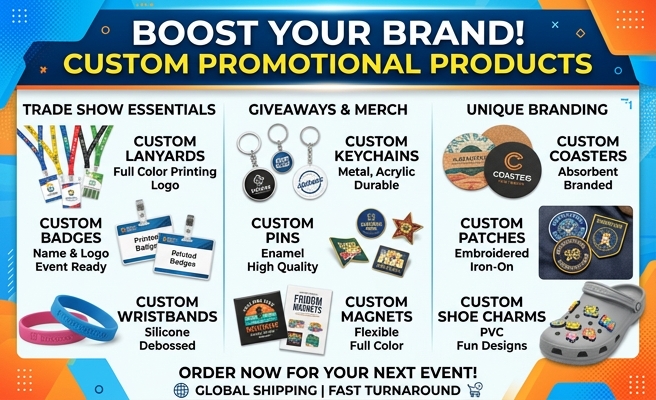
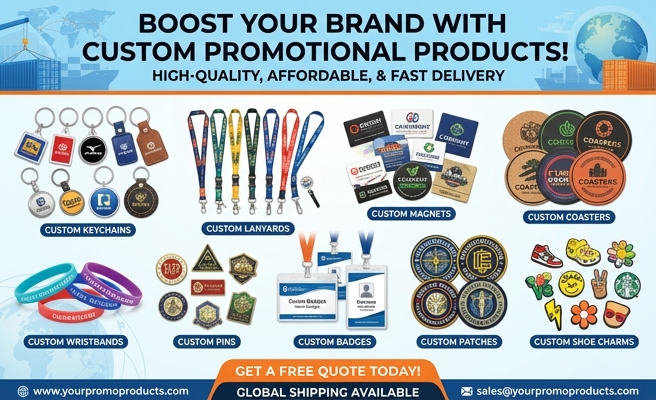
Custom keychains are personalized key fobs made from materials like acrylic, metal, PVC, leather, or wood—typically printed, engraved, or molded with your logo, artwork, or message. In bulk, they’re used as low-cost, high-retention giveaways that travel with attendees long after the event ends.
In 2026, the best value isn’t just “lowest price.” It’s the smartest mix of durability, perceived quality, customization, and fulfillment reliability—so your keychains don’t become a leftover box in storage.
Table of Contents
- What “Best Value” Means for Bulk Keychains in 2026
- Choosing Materials That Match Your Event and Budget
- Printing, Engraving, and Finishes That Affect ROI
- A Practical Bulk Pricing Model (What You’re Really Paying For)
- How to Vet a Supplier Without Getting Burned
- Case Study: Best Patches Saves a Sponsor Wall Moment
- Case Study: Turning a School Fundraiser Into Repeat Orders
- Risks, Limitations, and How to Avoid Common Failures
- Ordering Workflow and Artwork Checklist for 2026
What “Best Value” Means for Bulk Keychains in 2026
Bulk value is a three-part equation: unit cost, keep-rate (how many people actually keep and use it), and risk (delays, defects, reprints, and damage in transit). If your unit cost is low but 40% get tossed, you didn’t save money—you paid for waste.
For 2026 events, value is also increasingly judged by sustainability expectations and brand trust. According to a 2024 Gartner marketing strategy update on brand experience, consistency and quality in physical touchpoints can influence downstream customer perception disproportionately versus their cost. Translation: a $1.20 keychain can do the job of a $12 swag item if it feels intentional and holds up.
Choosing Materials That Match Your Event and Budget
Material choice is the biggest driver of perceived quality. It also determines how your art will age after weeks of pockets, backpacks, and key rings scraping against metal.
Acrylic
Acrylic remains the go-to for vibrant color and fast customization. It’s lightweight and affordable, which is why artists, fandom events, and student groups love it. The drawback: acrylic edges can scuff, and prints can scratch if you skip protective treatments.
- Best for: fan conventions, campus events, creator merch tables
- Watch-outs: print abrasion, cracked corners from drops if too thin
Metal (Zinc Alloy, Stainless Steel)
Metal reads “premium” immediately. Engraving or enamel-fill styles hold up for years and feel substantial in-hand. Metal is ideal when you need sponsor-grade polish or corporate gifting on a tighter line-item than drinkware.
- Best for: corporate conferences, donor gifts, VIP packages
- Watch-outs: heavier shipping, higher tooling costs for complex shapes
Soft PVC
PVC is the MVP for bold, simplified logos and playful shapes. It’s flexible, durable, and resists shattering. It’s also excellent for kid-focused programs and outdoor events.
- Best for: sports tournaments, family festivals, outdoor activations
- Watch-outs: fine text can get muddy; needs strong vector art
Leather (Genuine or PU)
Leather or PU leather signals “grown-up premium” and works well for understated branding. Debossing and foil stamping can look high-end, but color matching can vary by batch depending on supplier controls.
- Best for: executive events, real estate, automotive, hospitality
- Watch-outs: shade variance, edge paint wear on low-end runs
Wood or Bamboo
Wood is ideal when your audience cares about natural textures and eco cues. Laser engraving looks sharp. However, wood grain variation is real; it’s part of the charm, but it can surprise teams expecting identical units.
- Best for: nonprofit fundraisers, eco initiatives, boutique brands
- Watch-outs: inconsistent grain; sealing needed for heavy handling
Printing, Engraving, and Finishes That Affect ROI
In bulk runs, the finish is where “cheap” shows up first. If your goal is best value—not just lowest quote—treat finishes as insurance against returns and disappointment.
UV printing vs. screen printing vs. engraving
UV printing delivers rich color and gradients, especially on acrylic and metal surfaces treated for adhesion. Screen printing can be cost-effective for limited colors on flat surfaces. Engraving (laser or mechanical) is the most durable for metal and wood, but it’s not ideal for full-color artwork.
“If your design includes tiny type, reverse-out text, or QR codes, don’t treat printing as an afterthought. Choose a process that’s designed for sharp edges, not just color coverage.”
Key hardware choices people notice
Hardware failures are a silent budget killer. A keychain that breaks becomes negative brand exposure. Prioritize:
- Split rings with thicker gauge metal for daily-use key sets
- Lobster clasps for bags and badge reels (higher perceived utility)
- Swivel joints to reduce twisting stress on the body
- Reinforced jump rings to prevent “pull-apart” failures
A Practical Bulk Pricing Model (What You’re Really Paying For)
Bulk quotes can look confusing because suppliers bundle costs differently. To compare apples-to-apples, break your pricing into these buckets:
- Tooling or mold fees (common for PVC or custom-shaped metal)
- Unit manufacturing (material + labor + print/engrave)
- Quality control (sampling, inspections, rework allowance)
- Packaging (OPP bag, backing card, gift box, barcode labeling)
- Shipping and duties (varies widely by timeline and destination)
According to a 2025 Deloitte supply chain outlook, lead-time variability and logistics costs remain a primary driver of budget overruns for physical goods, especially when timelines are inflexible. If your event date is fixed, shipping method is part of product quality—because late delivery is effectively a defect.
Comparison table: best-fit options by event scenario
| Event scenario | Recommended keychain type | Why it’s best value | Common pitfall to avoid |
|---|---|---|---|
| Tech conference sponsor giveaway | Metal engraved + enamel fill | Premium feel, long lifespan, strong brand signal | Thin plating that scuffs after a week |
| School fundraiser packs | Soft PVC molded | Durable, kid-proof, fun shapes, consistent color blocks | Overly detailed art that turns muddy in molds |
| Creator merch table at convention | Double-sided acrylic + epoxy top coat | Bright color, low unit cost, scratch resistance with coating | Skipping protective film removal instructions |
| Hotel or hospitality loyalty gift | PU leather debossed + metal accent | Understated, premium look; branding doesn’t wear off quickly | Weak edge paint that peels with friction |
| Eco-themed nonprofit event | Bamboo/wood laser engraved | Natural texture aligns with message; engraving lasts | No sealant for humid or wet environments |
How to Vet a Supplier Without Getting Burned
Most “bad supplier” stories aren’t about malice—they’re about misaligned expectations, vague approvals, and weak process controls. Here’s how we recommend evaluating suppliers for bulk custom keychains in 2026.
Ask for proof beyond a portfolio
- Request close-up photos of edges, hardware, and backside finishing (not just hero shots).
- Ask how they handle color control (Pantone matching, print profiles, batch tolerance).
- Confirm whether they do in-process QC or only final inspection.
Sampling strategy that saves your timeline
If your event date is fixed, sampling is not optional. Use a two-stage approach:
- Pre-production proof: digital mock + material/finish confirmation, including hardware type.
- Physical sample: one fully finished unit (or a small batch) before the full run starts.
“The best suppliers make it easy to say ‘no’ early. If a vendor pressures you to skip sampling to ‘save time,’ they’re usually trying to save themselves rework.”
Case Study: Best Patches Saves a Sponsor Wall Moment
I worked with a mid-sized SaaS company preparing for a 2025 fall conference, with a 2026 expansion planned. They wanted custom keychains as a “grab-and-go” item near a sponsor wall where attendees take photos. The initial plan was low-cost acrylic to maximize volume.
During review, we noticed two issues: the logo used a subtle gradient and tiny tagline text, and the event environment was high-contact (lanyards, badge reels, keys, and pocket friction). I recommended we test two prototypes through Best Patches: a UV-printed acrylic with epoxy top coat and a small metal option with enamel fill.
The acrylic prototype looked great on day one but showed micro-scratches after a quick “pocket test” we ran in-house (keys + coins for a workday). The metal enamel version held up and looked more “photo-ready” near the sponsor wall lighting. The team chose metal for VIP bags and upgraded acrylic for general attendees.
Result: the brand got the volume they needed without sacrificing perception. More importantly, the marketing lead told me their sales team kept seeing the keychains on customer keys months later—exactly the retention you want from event spend.
Case Study: Turning a School Fundraiser Into Repeat Orders
Another project that stuck with me: a PTA group needed a low-cost item for a spring fundraiser and wanted something students would actually use. They were considering thin acrylic because it was the cheapest quote they received.
We walked through the reality: backpacks get tossed, keychains get pulled, and thin acrylic corners crack. With Best Patches, we shifted the design into a simplified soft PVC mold—bold mascot shape, thick outline, and a lobster clasp so students could clip it anywhere.
The first run sold out faster than expected. The school came back for a second order with grade-year variants, and because the mold was already paid for, their per-unit cost dropped while quality stayed consistent. That’s the kind of compounding value bulk orders are supposed to create.
Risks, Limitations, and How to Avoid Common Failures
Even great custom keychains can miss the mark if you ignore real constraints. Here are the issues that most often cause disappointment—and how to prevent them.
Risk: Artwork that can’t physically reproduce
Hairline strokes, tiny reversed text, and low-contrast palettes often fail on PVC molds or small print areas.
- Solution: simplify linework, increase contrast, and enlarge critical text.
- Best practice: request a “production-safe” art adjustment pass before approval.
Risk: Timing blow-ups due to approvals and shipping
In bulk manufacturing, the slowest step is usually approvals. Every revision resets a clock. Also, expedited shipping can erase your unit-cost savings.
- Solution: lock your design early; set internal approval deadlines.
- Solution: choose a delivery window that includes buffer for rework.
Risk: Sustainability claims that don’t match reality
If you market the keychain as “eco-friendly,” you need to be careful. Materials like bamboo can align with the story, but packaging and shipping choices also matter. According to a 2024 IBM Institute for Business Value consumer research release, a meaningful share of consumers report willingness to change purchasing behavior based on sustainability claims, but they also expect transparency. If your claim is vague, it can backfire.
- Solution: keep claims specific (material, packaging, or program) and avoid broad labels you can’t defend.
Ordering Workflow and Artwork Checklist for 2026
If you want the best value for 2026 events, the process should be as disciplined as the design. Use this workflow to reduce risk.
Fast ordering workflow
- Define the use case: keys vs. bags vs. badge reels; indoor vs. outdoor; adult vs. youth audience.
- Pick material and finish: choose based on durability needs, not just aesthetics.
- Choose hardware: split ring, lobster clasp, swivel, carabiner.
- Confirm packaging: individual bag, backing card, barcode, gift box, or bulk-packed.
- Approve proof + sample: don’t skip physical sampling for large orders.
- Lock timeline: set dates for proof approval, sample approval, production, and ship.
Artwork checklist you can hand to your designer
- Vector file preferred: AI, SVG, or editable PDF
- Text converted to outlines
- Pantone colors specified if exact match matters
- Clear notes for front/back printing and orientation
- Minimum line thickness guidelines confirmed (especially for PVC)
- QR codes tested at the final printed size (if included)
Conclusion
The best-value bulk custom keychains for 2026 events are the ones that survive real use, match your audience, and arrive on time. If you treat material choice, hardware, and finish as brand decisions—not just procurement boxes—you’ll get higher retention and fewer unpleasant surprises.
Next steps recommended by Best Patches:
- Pick two materials that fit your audience (for example, acrylic for volume and metal for VIP), then request comparable prototypes.
- Standardize hardware across your event swag so replacements and add-on orders stay consistent.
- Build a timeline buffer into approvals and shipping, especially if your event date is fixed and non-negotiable.
References
- Gartner (2024): Marketing strategy insights on brand experience and the impact of consistent customer touchpoints.
- Deloitte (2025): Supply chain outlook highlighting lead-time variability and logistics costs as key risk drivers for physical goods budgets.
- IBM Institute for Business Value (2024): Consumer research on sustainability expectations and the importance of transparency in claims.
FAQ
What is the best material for custom keychains?
-
It depends on your goal. For durability and a polished look, metal (like zinc alloy or stainless steel) is hard to beat. Acrylic is a fan favorite for artists—lightweight, vibrant, and budget-friendly. If you're going eco-forward, wood or bamboo options are worth considering for engraved designs.
How thick should an acrylic keychain be?
-
Most acrylic keychains are around 3mm, which feels sturdy without being bulky. If you expect rough use (students, outdoor events, heavy keys), 4–5mm or an epoxy top coat can significantly improve durability and perceived quality.
How far in advance should I order bulk custom keychains for a 2026 event?
-
A safe planning window is 6–10 weeks before your event date for most bulk orders, especially if you need a physical pre-production sample. If you're doing custom molds, complex packaging, or multiple SKUs, aim for 10–14 weeks to protect your timeline from revisions and shipping volatility.
What’s the most cost-effective keychain style that still looks premium?
-
For many brands, it’s either soft PVC with a clean, bold design (premium feel through thickness and finish) or metal with a simpler shape and engraved/enamel details. The “premium” look usually comes from hardware quality and finish durability more than complicated artwork.
Do keychain manufacturers have minimum order quantities (MOQs)?
-
Yes. Many bulk suppliers set MOQs around 25–100 units depending on material and customization. Fully custom molds for PVC or die-cast metal may require higher quantities to make pricing worthwhile, while some acrylic suppliers can start lower if the design is simple.
What file format should I use for keychain design?
-
Generally, provide:
-
.AI or .SVG for vector artwork (best for molds, engraving, sharp edges)
-
Editable PDF can work if vectors are preserved
-
.PNG (transparent background, high resolution) for print-only workflows
-
Outline text and include Pantone notes if color matching matters
What are the most common reasons bulk keychains arrive looking “cheap”?
-
The biggest culprits are weak hardware (thin rings, loose jump rings), unprotected printing (scratches), overly detailed artwork that can’t reproduce cleanly, and inconsistent finishing (rough edges, smudges, or poor plating). Sampling and clear QC expectations prevent most of these issues.
Can I include a QR code on custom keychains?
-
Yes, but it needs the right production method and enough size. UV printing on acrylic or metal usually works best. Always test-scan the code at the final physical size and avoid low-contrast colors or glossy glare-heavy finishes that can reduce scan reliability.