Introduction
If you’re trying to turn everyday customers into repeat buyers, custom keychains are one of the simplest branded items that people actually keep. They ride along on car keys, office keys, gym lockers, backpacks—tiny real estate with outsized exposure. The problem is that most business keychains look cheap, feel forgettable, or break within weeks, which quietly damages trust in your brand.
At Best Patches, we’ve helped businesses design small-format branded goods that hold up in real life—metal that doesn’t flake, acrylic that doesn’t cloud, and designs that stay readable even at 1.5 inches. The biggest wins come from treating a keychain like a product (with a user, a purpose, and a durability standard), not like a last-minute giveaway.
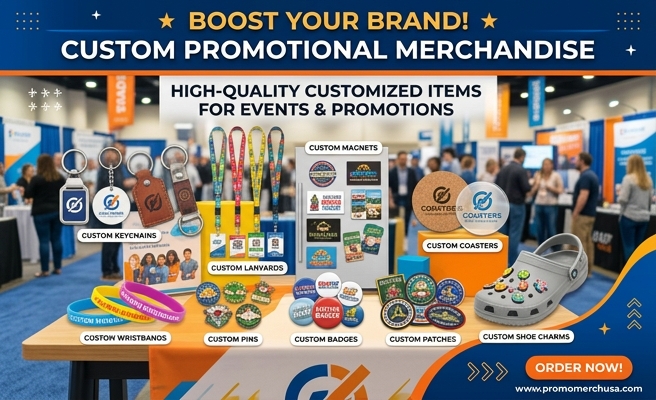
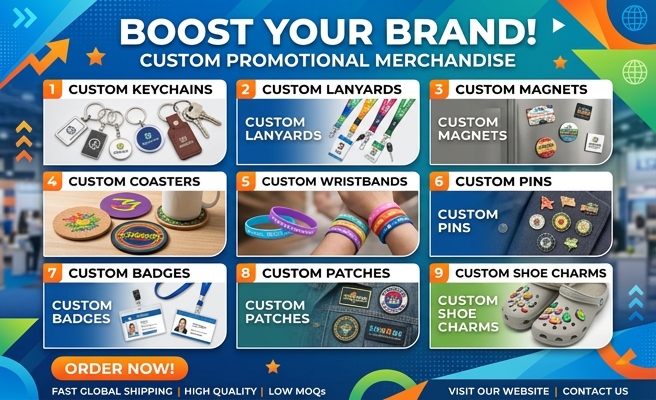
Custom keychains are branded keyring accessories made with your logo, message, mascot, or artwork. They’re produced in materials like metal, acrylic, PVC, leather, or wood, and are designed to be carried daily for brand visibility and customer affinity.
Done right, they become a “pocket-sized billboard” that customers choose to carry. Done wrong, they become drawer clutter. This guide keeps it practical: three steps that cover strategy, design, and production—plus the pitfalls most teams only learn after a bad batch shows up.
Table of Contents
- Why Custom Keychains Work for Business Growth
- Define the Goal and Audience Before You Design
- Build a Keychain Design That Prints Cleanly
- Choose Materials, Finishes, and a Supplier You Can Trust
- Material and Use-Case Comparison for Business Keychains
- Proofing, Quality Control, and Packaging That Prevent Returns
- Case Study from Best Patches: From Giveaway to Revenue Driver
- Risks, Compliance, and Brand-Safety Checks
- 2026 Trends That Affect Keychain Design and SEO
- Conclusion and Next Actions
- References
Why Custom Keychains Work for Business Growth
Keychains sound small, but they solve a big marketing problem: repeated impressions without repeated ad spend. A customer who carries your keychain gives you ongoing exposure in day-to-day settings. More importantly, a good keychain becomes a signal of belonging—“I’m part of this brand/community.” That’s hard to replicate with digital ads alone.
They also fit modern buying behavior. According to a 2024 report by PwC, consumers are willing to pay more for brands that deliver a strong experience—physical touchpoints (like a keychain that feels premium) are part of that experience. A keychain is often the first physical object someone owns from your brand, especially if you’re a service business, a SaaS company, or a digital-first creator.
If your keychain doesn’t feel good in-hand in the first three seconds, it won’t get carried. Prioritize weight, edge finishing, and a hardware upgrade (split ring thickness and clasp type) before you add extra colors.
“A keychain is not a miniature poster. It’s a wearable object. The best designs read instantly, feel durable, and make the owner proud to carry it.”
Define the Goal and Audience Before You Design
Most “bad keychains” aren’t bad because of the artwork—they fail because the team never chose a clear job for the product. Start by deciding what success looks like and who will carry it.
Pick one primary job for the keychain
- Brand recall: Keep your logo present with minimal text, high contrast, and a recognizable silhouette.
- Lead generation: Add a short URL or a QR code tag (best as a separate printed tag, not the main body).
- Merch revenue: Treat it like a retail product: premium material, packaging, and a cohesive series.
- Community building: Limited drops (seasonal colors, mascots, milestones) that people collect.
Know your carrier context
Ask where it will live: car keys, a backpack, a lanyard, a purse, a locker key, or a shop key ring. This changes everything:
- Car keys: Metal is perceived as premium; avoid bulky add-ons that scratch dashboards.
- Backpacks: Acrylic and PVC pop visually; consider double-sided printing because it flips.
- Work keys: Prioritize durability and readability; keep it simple and professional.
Set a unit economics target early
Before you fall in love with special finishes, decide a target landed cost (product + packaging + freight + duties + breakage buffer). As a rule, giveaway keychains should be resilient and simple; retail keychains can support heavier materials and higher finishing costs.
Build a Keychain Design That Prints Cleanly
Keychain design is an exercise in clarity under constraints. The physical size, manufacturing tolerances, and hardware placement all fight fine detail. Your goal is to produce a design that reads at a glance and survives production realities.
Use a “small-format design” checklist
- One dominant element: logo mark, mascot head, or icon—avoid cramming full taglines.
- High contrast: dark-on-light or light-on-dark; avoid mid-tone-on-mid-tone combos.
- Thicker strokes: thin lines may fill in during printing, enamel fill, or molding.
- Safe zone: keep text and critical shapes away from edges and holes.
- Orientation: design so it looks correct when hanging from the ring (top hole placement matters).
Choose the right file format and build for proofing
For most manufacturers, vector is king. Send AI, EPS, or SVG when possible. If you’re using raster (PNG), export at high resolution and keep the background transparent. Outline fonts so nothing reflows on the supplier’s end.
Make the “logo vs. artwork” decision
Businesses often default to logo-only, but that can look corporate and forgettable. A better approach is a brand character, an icon from your product, or a simplified illustration that still signals your brand.
“If you need someone to stare at your keychain to understand it, it’s too complex. Aim for instant recognition across a room.”
A practical three-part design system that scales
To make future reorders easy, lock in a repeatable system:
- Core shape: your signature silhouette (circle, rounded rectangle, die-cut mascot, shield, etc.).
- Core palette: two brand colors + one accent reserved for limited editions.
- Core hardware: one consistent clasp (split ring, lobster, swivel) so sets look cohesive.
If you’re adding a QR code, don’t print it on a curved or glitter surface. Put it on a flat, matte tag (or packaging insert) so phones can scan reliably under different lighting.
Choose Materials, Finishes, and a Supplier You Can Trust
This is where most cost overruns happen. Material choice affects not just price, but customer perception, breakage rate, and how “premium” your brand feels.
Match material to brand promise
If your brand sells premium services, a flimsy acrylic keychain creates a mismatch. If your brand is playful or youth-focused, bright acrylic or PVC can outperform metal because it feels fun and collectible.
Hardware is not a detail
Weak jump rings and thin split rings are the top cause of “it broke” complaints. Upgrading hardware is often one of the cheapest ways to improve perceived quality. Ask for:
- Thicker split rings (heavier gauge)
- Double jump rings for heavier bodies
- Swivel lobster clasps for backpacks and lanyards
- Scratch-resistant coating where applicable
Supplier selection: what to ask for before you pay
According to a 2023 report by Deloitte on supply chain resilience, businesses that build in supplier visibility and QA steps reduce disruption and waste. For keychains, “visibility” means you should request proofing, materials confirmation, and production photos—especially on the first run.
- Request a pre-production proof: confirm size, hole placement, color matching, and orientation.
- Confirm tolerances and finishing: edges, coating, print method, and whether color shift is expected.
- Define QC criteria: acceptable scratch level, print registration tolerance, and attachment strength.
- Ask about compliance: especially if items are for kids or will be sold in regulated channels.
- Approve packaging plan: individual polybags, backing cards, barcode labels, or eco alternatives.
Material and Use-Case Comparison for Business Keychains
| Business Scenario | Recommended Material | Why It Works | Watch-Out |
|---|---|---|---|
| Real estate team closing gifts | Metal (zinc alloy) with enamel fill | Premium feel; fits “new keys/new home” moment; long lifespan | Enamel colors can shift slightly; require solid proofing |
| Coffee shop loyalty giveaway | PVC (soft rubber) molded | Durable, playful, low worry about scratches; great for mascots | Fine text may not mold cleanly; keep typography bold |
| Gym or boutique fitness member merch | Acrylic (double-sided print) | Vibrant, trendy, easy to do limited drops; great on bags | Can scratch; add protective film and consider matte finish |
| Outdoor brand pop-up events | Wood or cork with laser engraving | Eco-forward story; warm tactile feel; minimalistic aesthetic | Moisture and abrasion can age the finish; sealant matters |
| Tech conference booth handout | Metal + printed tag insert (QR on tag) | Professional; QR stays scannable; looks like “real merch” | If too heavy, shipping costs rise; choose size carefully |
Proofing, Quality Control, and Packaging That Prevent Returns
Even great designs fail if you skip proofing discipline. Treat your first run as a controlled test, not a blind bulk order.
What to check on the proof
- Size in inches/mm: confirm the largest dimension and thickness.
- Hole placement: ensure it hangs straight and doesn’t cut into your artwork.
- Color matching: request Pantone references when available; expect minor variation by process.
- Edge finishing: confirm if edges are polished, sealed, or left matte.
- Back side: decide blank, mirrored, or a second design—don’t leave it ambiguous.
Packaging that improves perceived value
Packaging changes how people judge quality. A simple backing card with your brand story can make a mid-priced keychain feel premium and giftable. If you sell online, packaging is also protection—less scratching in transit and fewer “arrived damaged” messages.
Shipping and durability realities
According to a 2024 report by McKinsey on consumer expectations, buyers increasingly evaluate brands on reliability and consistency. If your keychains arrive scuffed, cloudy, or with mismatched color, customers read that as a brand reliability issue—not a “factory issue.” That’s why protective films, individual bagging, and reasonable QC criteria matter even for giveaways.
Case Study from Best Patches: From Giveaway to Revenue Driver
I’ve seen the same pattern repeatedly: a business orders cheap keychains as a throw-in, then wonders why they don’t move the needle. One of our Best Patches clients, a regional automotive detailing studio, came to us after their first batch of acrylic keychains led to complaints—scratches out of the bag, a thin ring that bent, and a busy design that was unreadable at keychain scale.
We rebuilt the project around a single job: premium brand reinforcement after a high-ticket service. We switched to a compact metal keychain with a bold icon (their signature “shine” mark), reduced text to a short brand name, upgraded the split ring gauge, and added a matte protective finish to reduce visible micro-scratches. We also introduced a small backing card that explained a care tip and pointed customers to their maintenance plan page (no QR on the metal itself).
The result wasn’t “viral,” but it was measurable. The shop reported that customers started posting the keychain in delivery photos more often, and their team found it easier to justify a modest price increase on detailing packages because the physical presentation felt more premium. That’s the real power of custom keychains: they can quietly raise perceived value when every touchpoint aligns.
On another Best Patches run for a creator-led streetwear brand, we used double-sided acrylic with a die-cut character silhouette and a limited-edition colorway. I pushed for two changes that mattered: thicker acrylic and a hardware upgrade to a swivel lobster clasp because the audience carried them on bags, not keys. Sales were strongest on the limited colorway, and reorders were smoother because the design system was already standardized.
Risks, Compliance, and Brand-Safety Checks
Keychains are simple, but the risks are real if you plan to sell them (not just give them away).
Common pitfalls to avoid
- Copyright and trademark issues: don’t use characters, logos, or fan art you don’t have rights to.
- Unreadable micro text: small slogans often blur; if it must be read, increase size or move it to packaging.
- Unexpected fragility: thin acrylic, weak rings, or sharp edges can cause failures and refunds.
- Color mismatch: neon or metallic colors can shift by process; set expectations and proof carefully.
- Regulated audiences: if marketed to children, you may need additional safety and materials assurances.
Brand risk: “cheap merch” hurts premium positioning
There’s a real tradeoff: ultra-low-cost keychains can increase reach but reduce perceived quality. If your product is premium, consider a smaller run of higher-quality pieces rather than a huge run of flimsy ones.
2026 Trends That Affect Keychain Design and SEO
Trends matter because they affect what people expect to see—and what they share.
Collectible drops beat generic swag
Limited colors, seasonal art, and series-based designs (set of three) are outperforming one-and-done logos, especially for gyms, cafes, creators, and local lifestyle brands. The key is consistency: keep the core silhouette and hardware the same so each drop feels like part of a set.
Eco claims require proof
Consumers are more skeptical of vague sustainability language. If you go eco-friendly, back it up with specific material choices (like FSC-certified wood when available) and be precise in your wording. Avoid broad claims that you can’t document.
Search behavior favors specificity
For ranking, “custom keychains” is competitive, but long-tail intent is where conversions happen: “custom acrylic keychains with logo,” “metal keychains bulk for business,” “PVC mascot keychains,” and “keychains for conference swag.” Build product pages and supporting content around those intents, and keep your image alt text and on-page copy aligned with real buyer phrasing.
Conclusion and Next Actions
The fastest way to get custom keychains that actually help your business is to treat them like a product: define the job, design for small-format clarity, and choose materials/hardware that match your brand promise. When you do that, keychains stop being “stuff” and start being a repeatable asset you can use for retention, merch revenue, and community building.
- Next action from Best Patches: Decide your primary job (giveaway, lead gen, retail, community) and set a target landed cost before any design work begins.
- Next action from Best Patches: Create one “small-format master design” with a clear silhouette, thick strokes, and a defined safe zone around the hole.
- Next action from Best Patches: Request a proof + QC criteria in writing and upgrade hardware on the first run—it’s the cheapest insurance you can buy.
References
- PwC (2024): Consumer experience and willingness-to-pay insights used to support the importance of premium physical touchpoints.
- Deloitte (2023): Supply chain resilience principles referenced for supplier visibility, QA steps, and reduced waste.
- McKinsey (2024): Consumer expectations for reliability referenced to emphasize packaging protection and consistency.
FAQ
What is the best material for custom keychains?
-
It depends on your goal. For durability and a polished look, metal (like zinc alloy or stainless steel) is hard to beat. Acrylic is a fan favorite for artists and vibrant branding—lightweight, colorful, and budget-friendly. If you're going eco-forward, wood or cork options are worth considering, especially with laser engraving.
How thick should an acrylic keychain be?
-
Most acrylic keychains land around 3mm thick, which feels sturdy without being bulky. For a more premium feel (and fewer breakage complaints), many brands choose 4mm to 5mm, especially for die-cut shapes that get knocked around on bags.
How do I design custom keychains for my business without cluttering the logo?
-
Use one dominant element and keep everything else secondary. A clean approach is:
-
Make the logo mark (not the full wordmark) the hero element
-
Move long text to a backing card or packaging insert
-
Keep a generous safe zone around the hole and edges
-
Test readability by viewing your design at 1.5 inches wide on-screen
How much does it cost to make custom keychains?
-
Cost depends on material, order quantity, finishes, and packaging. Typical rough ranges:
-
Acrylic (bulk): often around $0.50–$1.50 each
-
PVC: commonly $0.80–$2.00+ depending on mold complexity
-
Metal: frequently $1.50–$3.50+ depending on plating and enamel
-
Packaging upgrades (backing cards, individual bags): can add $0.05–$0.40+ per unit
Do keychain manufacturers have minimum order quantities (MOQs)?
-
Yes. Many factories set MOQs around 10 to 50 units for simpler acrylic prints, while molded PVC and metal/enamel projects can require higher quantities depending on tooling and setup. Some suppliers offer small test runs, but per-unit pricing is usually higher.
What file format should I use for keychain design?
-
Vector files are best because they scale cleanly. Commonly accepted formats include:
-
.AI, .EPS, or .SVG for vector artwork
-
.PDF exported from vector (often acceptable)
-
.PNG (transparent, high resolution) when vector isn’t available
-
Outline fonts and include a note with final size in inches or millimeters
Can I make keychains without expensive equipment?
-
Yes. Many businesses start without buying manufacturing equipment by using a supplier for printing or molding. You can:
-
Create artwork in Canva or Photopea and export high-res files
-
Order a small batch first to validate the design and hardware feel
-
Upgrade packaging (backing card + individual bag) to boost perceived value without buying machines
What are the most popular shapes for keychains?
-
Circles and rounded rectangles remain popular because they’re durable and easy to print, but custom die-cut shapes are often the best performers for merch. A silhouette that follows your mascot or icon looks less generic and is more likely to get carried on bags.