Why Online Keychain Design Feels Harder Than It Should
If you have ever tried to create custom keychains online, you already know the problem: what looks simple on a product page can get messy fast once sizing, materials, color limits, and production files enter the picture. A cute concept can turn into a blurry print, a weak attachment point, or a design that costs far more than expected in bulk.
That gap between idea and finished product is exactly where many buyers get stuck. At Best Patches, we have seen startups, artists, schools, and merch teams run into the same issues: too many options, unclear specs, and mockups that do not match the final result. The good news is that the design process becomes much easier when you break it into a few practical decisions instead of treating it like a giant creative task.
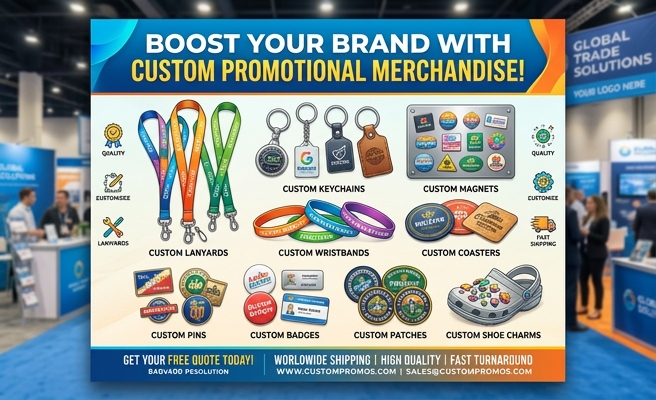
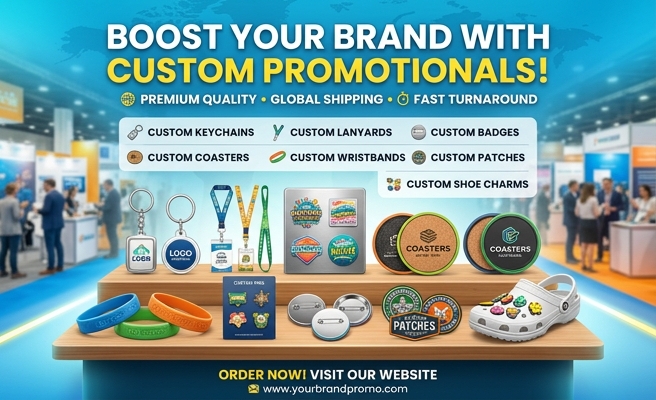
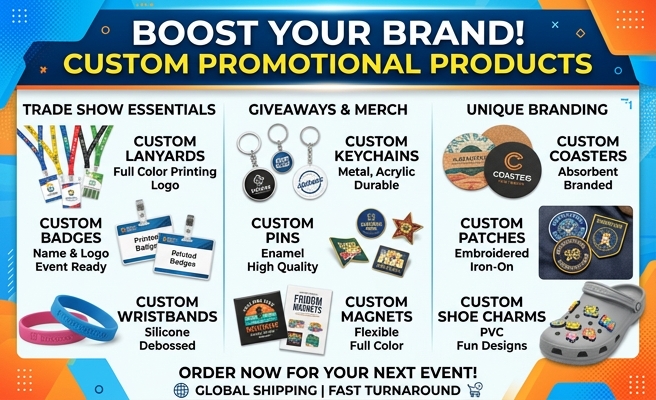
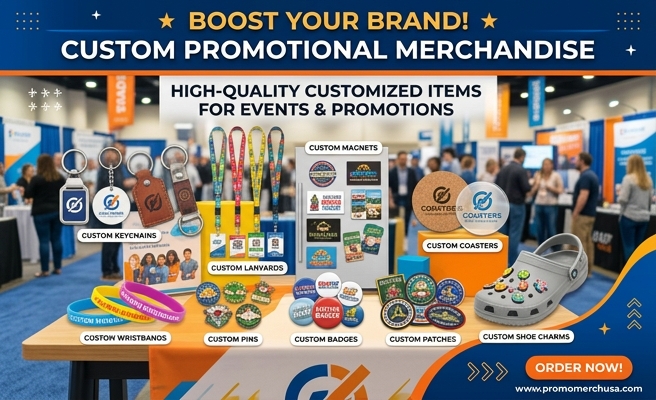
Custom keychains are personalized key accessories made to match a logo, illustration, slogan, mascot, or brand identity. They can be produced in acrylic, PVC, metal, leather, wood, and other materials, then finished with custom shapes, print effects, and hardware attachments. When designed well, they function as both a useful everyday item and a low-cost branding tool.
The real goal is not just making something that looks good on screen. It is building a product people want to keep, use, post, gift, and reorder. That is why the smartest online design process starts with purpose, moves into production-ready artwork, and ends with a material choice that supports your budget and brand message.
Table of Contents
- What makes custom keychains worth designing online
- Start with the use case before the artwork
- Build the design in a simple three-step workflow
- Choose the right material, finish, and hardware
- Avoid the file and production mistakes that cause delays
- Compare common business use cases and budget ranges
- What the latest market data says about branded merchandise
- A first-person case study from Best Patches
- Risks, limitations, and how to prevent a bad order
- How to place a smarter final order
What Makes Custom Keychains Worth Designing Online
Custom keychains sit in a sweet spot that many promotional products miss. They are small, relatively affordable, lightweight to ship, and easy to hand out at events, include in ecommerce orders, or sell as fan merchandise. Unlike flyers or throwaway inserts, a keychain has a job to do every day, which gives your design repeated exposure.
They also work across very different business models:
- Artist merch: turn illustrations into affordable entry-level products
- Corporate branding: create event giveaways that feel more durable than paper collateral
- Schools and clubs: produce fundraiser items with low unit costs
- Retail brands: add gift-with-purchase items that increase perceived order value
- Auto, travel, and hospitality brands: reinforce utility with a product customers actually carry
Online design tools have also improved. Many buyers can now upload art, review shape previews, choose attachments, and approve production samples without needing a full industrial design background. Still, easy ordering does not always mean good ordering. The strongest results come from understanding how your design will behave in real life, not just on a template.
“The best keychain designs are not always the most detailed. They are the ones that stay readable, feel durable in the hand, and still look like the brand after months of use.”
Start with the Use Case Before the Artwork
Most failed orders begin with the wrong first question. People ask, “What style looks coolest?” when they should ask, “Where will this keychain live, and who will use it?” A convention giveaway, a luxury brand add-on, and a student fundraiser should not be designed the same way.
Before you open a design tool, define the following:
- Audience: fans, employees, event attendees, retail buyers, or donors
- Function: collectible, gift, promotional item, bag charm, or product tag
- Target price: low-cost bulk, mid-range premium, or boutique-quality small batch
- Expected lifespan: short campaign use or long-term daily carry
- Brand tone: playful, polished, rugged, minimalist, or eco-conscious
According to the Advertising Specialty Institute’s 2024 Ad Impressions Study, useful promotional products tend to generate longer retention than many disposable formats, which helps explain why accessories like keychains remain popular in branded merchandise programs. Usefulness matters because people keep what they can actually use.
Build the Design in a Simple Three-Step Workflow
You do not need a bloated creative process to make strong custom keychains online. You need a workflow that reduces revisions and protects print quality. This three-step approach is the one we recommend most often.
Define the shape and message
Start with one visual priority. That might be a logo, mascot, phrase, product silhouette, or icon. If you try to fit all five into a small keychain, the result usually feels crowded. A clean die-cut outline often performs better than a rectangle full of tiny details.
Keep these rules in mind:
- Use one focal element
- Limit text to short, readable wording
- Make sure the attachment hole does not cut into critical artwork
- Leave safe space around edges for trimming and hardware placement
Prepare production-ready artwork
This is where online design often breaks down. A beautiful concept still needs technical discipline. Vector files such as AI or SVG are ideal for clean edges and scalable shapes. If you are working with raster art, a transparent PNG at 300 dpi or higher is a safer minimum.
For print clarity:
- Convert fonts to outlines before upload.
- Remove hidden layers and stray anchor points.
- Set colors as close to production intent as possible.
- Separate front and back artwork if both sides will be customized.
- Mark special finishes such as epoxy, glitter, or holographic effects clearly.
Match the design to a material that supports it
Your artwork should guide the material choice, not the other way around. Bright character art may look strongest in acrylic. Bold logo shapes can work beautifully in soft PVC. Premium corporate marks often feel more credible in metal. If the design depends on transparency, layered print effects, or vivid edge-to-edge color, acrylic is often the easiest path online.
Choose the Right Material, Finish, and Hardware
Material choice affects cost, look, durability, and brand perception more than most first-time buyers expect. Here is a practical breakdown.
Acrylic
Acrylic is popular because it is lightweight, colorful, and flexible for artists and ecommerce brands. It handles printed illustrations well and supports clear, frosted, holographic, or epoxy-coated finishes. The tradeoff is that low-grade acrylic can scratch more easily than metal, especially when tossed into bags with keys and coins.
Soft PVC
PVC is strong for bold shapes, mascots, and layered cartoon-style designs. It has a tactile feel and can take wear better than cheap printed pieces. It is not always the best choice for highly detailed photographic artwork or subtle gradients.
Metal
Metal keychains deliver a more premium impression. They work especially well for automotive brands, hospitality groups, membership programs, and corporate gifts. Their downsides are higher tooling cost, heavier shipping weight, and less flexibility for frequent design changes.
Leather and eco materials
Leather, cork, bamboo, or wood can support a more upscale or sustainability-forward message. However, these materials may limit color range or shape complexity. If your campaign depends on vivid brand colors, ask for a physical sample or material swatch before approving a full run.
Hardware matters too. Split rings are standard, but lobster clasps, swivel hooks, and phone straps change how the item is used. If the keychain is doubling as a bag charm, the attachment choice may matter as much as the artwork itself.
“A finish should never be added just because it is available. Glitter, epoxy, and holographic layers only work when they support the concept and the customer.”
Avoid the File and Production Mistakes That Cause Delays
Even good-looking designs can fail at the approval stage. The most common causes of delay are surprisingly routine: poor resolution, unreadable small text, wrong bleed assumptions, and files sent without front-back separation.
At Best Patches, we often see clients save days by checking these issues before upload:
- Artwork sized to actual production dimensions
- Transparent backgrounds where needed
- CMYK-friendly color expectations for print jobs
- Clear notes on double-sided art, special effects, and edge cuts
- Confirmation of MOQ, proofing policy, and revision limits
According to Adobe’s creative workflow guidance updated across 2024 product resources, vector assets and high-resolution source files remain the safest route for print consistency across merchandise categories. That sounds basic, but many order issues still come from screenshots, compressed JPEGs, or social media exports being used as source art.
Compare Common Business Use Cases and Budget Ranges
The “best” keychain depends heavily on who is buying it and why. This table shows how different business scenarios typically line up.
| Brand Type | Best Material Fit | Typical Order Goal | Budget Range Per Unit |
|---|---|---|---|
| Independent artist shop | Acrylic with epoxy or holographic finish | Low-risk merch with vibrant art | $0.80-$1.80 in small bulk |
| Corporate event team | Metal or PVC | Durable branded giveaway | $1.50-$3.50 |
| School fundraiser | PVC or simple acrylic | Affordable spirit merchandise | $0.60-$1.40 |
| Boutique lifestyle brand | Leather, metal, or wood | Premium gift-with-purchase | $2.50-$6.00 |
Those ranges vary by order size, complexity, packaging, and shipping, but they are useful for planning. If your pricing target and design ambition do not match, adjust early rather than after proofing.
What the Latest Market Data Says About Branded Merchandise
Good design decisions become easier when you know how buyers behave. The Promotional Products Association International reported in 2024 that the promotional products industry continued to show resilience, with branded merchandise remaining a favored channel for tactile brand recall. That matters because keychains operate in a category where repeated physical interaction drives recognition.
On the ecommerce side, Shopify’s 2024 merchant guidance continued to emphasize small, giftable accessories as effective add-on products because they can improve average order value without significantly increasing shipping complexity. For brands selling direct to consumers, that makes custom keychains more than a novelty item. They can be a conversion tool, a retention perk, or a low-cost test for new artwork.
At the same time, buyers have become more selective. A generic logo-on-cheap-plastic piece is less likely to impress in 2026 than a design that feels intentional. Shoppers and recipients want merch that feels collectible, useful, or visually distinctive.
A First-Person Case Study from Best Patches
I worked with a small apparel brand that wanted to add custom keychains to its spring launch. The team originally sent us a rectangular logo concept packed with a slogan, web address, and social handle. On screen, it looked fine. At real size, it felt cramped and forgettable. We recommended narrowing the design to their mascot head, keeping the slogan on the backing card instead of the keychain itself.
After switching to a die-cut acrylic shape with a clean white border and epoxy coating, the product performed far better than the original concept would have. The client used it as a checkout add-on and as a freebie for orders above a certain threshold. Their feedback was simple: customers posted the keychain on social more often than the tee that launched with it, because it photographed well and felt collectible.
In another project, I helped a regional service business create metal custom keychains for a customer loyalty program. Their first instinct was to save money with basic printed plastic. But their audience valued trust and durability, and the cheap sample sent the wrong message. We moved them into a heavier metal style with a simple engraved mark. The unit price rose, but the brand fit improved enough that they used the product for nearly a full year instead of replacing it after one event cycle.
These projects reinforced a lesson we use constantly at Best Patches: the right design is not just the nicest artwork. It is the strongest alignment between audience, material, and real-world use.
Risks, Limitations, and How to Prevent a Bad Order
Custom keychains are flexible, but they are not foolproof. A smart buyer should weigh the downsides before ordering.
Design complexity can outpace the format
Small products punish clutter. If your art relies on tiny text, subtle shadows, or multiple competing elements, the keychain may lose impact. The fix is ruthless simplification.
Cheap materials can damage brand perception
If the piece cracks, peels, or scratches too quickly, people may associate that quality problem with your business. That is especially risky for premium brands and service businesses where trust is part of the sale.
Color expectations may shift in production
Printed acrylic, molded PVC, and plated metal all render color differently. If exact matching is critical, request proofs and ask whether Pantone matching or equivalent guidance is available.
Licensing issues can create legal risk
Fan art, celebrity images, and protected logos are common trouble spots. If you do not own the rights, do not assume a manufacturer will clear them for you. The buyer is usually responsible for artwork permissions.
The best prevention strategy is simple: test at real scale, ask technical questions early, and approve a proof that shows production details rather than just marketing visuals.
How to Place a Smarter Final Order
Once your design is ready, the final order stage should be treated as a business decision, not just a checkout step. Ask about turnaround time, packaging options, sample policy, and replacement terms. If you are ordering for resale, calculate margin after shipping, inserts, and damaged-unit allowance.
Before approval, verify:
- The final dimensions and thickness
- Front-side and back-side artwork
- Material, finish, and attachment hardware
- MOQ and price breaks for higher quantities
- Production timeline and shipping window
If this is your first run, start smaller unless the economics heavily favor scale. A controlled first batch gives you real customer feedback before you commit to a large reorder.
Final Takeaways and Next Actions
Designing custom keychains online gets much easier when you stop treating the product as just a mini graphic. The strongest results come from a simple sequence: define the use case, build production-ready art, and choose a material that fits the audience and budget. From there, proofing and ordering become far less stressful.
Best Patches recommends these next actions:
- Audit your artwork at actual keychain size before choosing any finish or material.
- Request a proof that shows cut lines, attachment placement, and print direction clearly.
- Start with a test batch if you are launching a new design, audience segment, or merch channel.
References
- Advertising Specialty Institute, 2024 Ad Impressions Study: Used for context on retention and usefulness of promotional products.
- Promotional Products Association International, 2024 industry reporting: Used to support the continued relevance of branded merchandise in marketing.
- Adobe print and creative workflow resources, 2024 updates: Used for best practices on vector files, resolution, and print consistency.
- Shopify merchant guidance, 2024: Used for ecommerce context around low-cost add-on products and average order value strategy.
FAQ
What is the best material for custom keychains?
-
It depends on your goal. For durability and a polished look, metal is hard to beat. Acrylic is a favorite for artists because it is lightweight, colorful, and budget-friendly. If you want a more eco-conscious angle, wood or cork can work well, though color flexibility may be more limited.
How thick should an acrylic keychain be?
-
Most acrylic keychains are around 3mm thick, which gives a good balance of durability and comfort. Some suppliers offer 2mm for lighter, lower-cost runs or 5mm for a more premium feel. If your design has a large shape or heavy hardware, going slightly thicker can help.
Can I sell keychains with copyrighted images?
-
Usually not unless you have permission. Using protected characters, logos, or artwork without a license can lead to takedowns or legal trouble. Safer options include:
-
Creating fan-inspired original art
-
Licensing artwork through stock providers or artist partnerships
-
Selling officially approved merchandise through authorized programs
How much does it cost to make custom keychains?
-
Cost depends on material, quantity, complexity, packaging, and shipping. A practical range looks like this:
-
Acrylic keychains in bulk: about $0.80-$1.80 each
-
Metal keychains: about $1.50-$3.50 or more
-
PVC keychains: often $0.60-$1.80 depending on mold complexity
-
Small one-off orders: much higher per unit because setup costs are spread across fewer pieces
Do keychain manufacturers have minimum order quantities (MOQs)?
-
Yes, most do. Many suppliers set MOQs somewhere around 10 to 50 units, though the exact number depends on the material and production method. Some online sellers and sample programs allow very small runs, but the price per piece will usually be higher.
What file format should I use for keychain design?
-
Always check your supplier’s file rules, but these are the safest choices:
-
.AI or .SVG for vector artwork
-
.PNG with transparent background at 300 dpi or higher
-
Convert text to outlines to prevent font issues
-
Avoid low-resolution screenshots or compressed social media exports
Can I make keychains without expensive equipment?
-
Yes. A lot of first-time sellers start by using free or low-cost design tools and then outsourcing production. You can keep costs down by:
-
Using free design tools like Canva or Photopea for early mockups
-
Ordering small test batches before a larger run
-
Choosing acrylic or simple PVC instead of more expensive premium materials
-
Working with online manufacturers rather than buying production machinery
What are the most popular shapes for keychains?
-
Round and rectangular shapes are still common, but custom die-cut outlines are often the strongest choice for modern merch. Shapes that follow a mascot, icon, or logo contour tend to feel more original and less mass-produced.