Why This Matters
Bulk custom keychains look simple on a quote sheet. A small shape, a logo, a finish, a clasp, done. That illusion is exactly why so many brands overspend, reorder, or end up with cartons full of giveaways they do not want to hand out. When print alignment slips, acrylic yellows, colors shift, or hardware feels flimsy, the cheap order gets expensive fast.
At Best Patches, we have seen the same pattern across merch launches, school stores, nonprofits, breweries, and event teams: buyers focus on unit price and skip the production details that actually decide whether the final piece looks retail-ready. The result is usually the same story told in different ways: wasted budget, delayed launch dates, and a product that quietly hurts the brand it was supposed to promote.
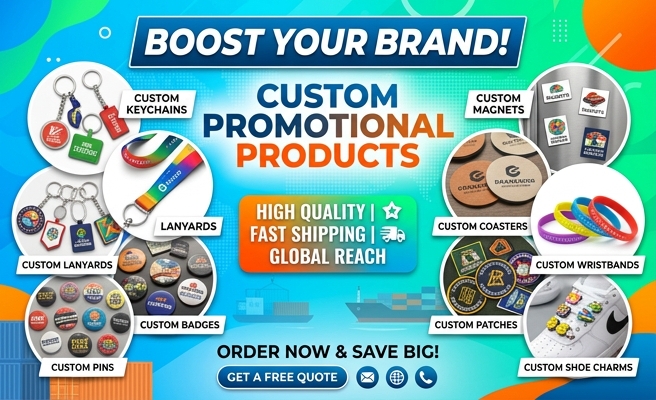
Custom keychains are personalized key holders made from materials like acrylic, PVC, metal, leather, or wood, branded with artwork, logos, mascots, or messages. Businesses use them for promotions, resale, fundraising, gifting, and event merch because they are portable, affordable, and highly visible in daily use.
This article is about the mistakes that burned through $500 on a bad print run, what caused them, and how to avoid repeating them in 2026. If you are ordering in bulk, the smartest move is not finding the cheapest factory. It is building a process that catches defects before they become inventory.
Table of Contents
- Where the $500 Actually Went
- The Mistakes That Ruin Bulk Orders
- Materials and Print Methods That Change Everything
- Which Keychain Type Fits Which Business
- A Proofing Process That Prevents Reprints
- What We Changed at Best Patches
- The Real Cost, Risk, and Timeline Math
- How to Choose a Supplier Without Guessing
- What to Do Next
- References
Where the $500 Actually Went
The money was not lost in one dramatic mistake. It disappeared in a chain of small decisions that looked harmless at the time:
- We approved digital art without checking a physical size mockup.
- We trusted on-screen color instead of requesting a print tolerance note.
- We accepted a vendor photo proof that hid edge chipping.
- We chose a lower-cost hardware option that made the whole piece feel cheap.
- We ordered too many units before validating one finished sample.
That is how bad bulk production usually works. A buyer sees a good PDF, a clean render, and a low quote. Then the delivered product shows muddy blacks, weak jump rings, scratched top film, or a hole placement that makes the keychain hang crooked. The budget loss is only part of the damage. The bigger hit is often timing. By the time you notice the problem, your event date, launch week, or sponsor deadline is already close.
“The proof is not the product. If a buyer cannot read tolerances, material thickness, and attachment placement from the approval file, they are approving hope, not manufacturing.”
That line came from a print production manager we worked with on a retail merch program, and it stuck because it is painfully accurate.
The Mistakes That Ruin Bulk Orders
Buying on unit price alone
The lowest quote often excludes the exact features you assume are standard: double-sided printing, epoxy coating, scratch film, upgraded clasps, pantone matching, or individual bagging. A supplier can look cheaper and still cost more once the order is corrected, repacked, or rushed.
Sending the wrong artwork files
Blurry PNGs, tiny exported JPEGs, flattened text, and missing cut lines are repeat offenders. Acrylic and PVC pieces especially need precise cut contours, bleed space, and safe areas. A factory can print what you send, even when what you sent is not suitable for production.
Ignoring wear and tear
A keychain is handled, dropped, rubbed against keys, stuffed in pockets, and clipped to bags. It is not a poster. If the print method cannot tolerate abrasion, your brand message fades with it. According to ASI’s 2024 Ad Impressions Study, useful promotional items tend to stay with recipients far longer than throwaway swag, which makes durability a branding issue, not just a production one.
Ordering the wrong material for the audience
Fan art shops may do well with vivid acrylic. Outdoor brands may need metal or soft PVC. A luxury real estate team may want leather or die-cast metal because acrylic can look too casual. Matching product feel to brand positioning is where many bulk orders go sideways.
Skipping the sample stage
If your first fully finished unit is arriving inside the final master carton, you are testing after paying. That is the costliest possible sequence.
Materials and Print Methods That Change Everything
Most quality problems begin long before printing. They start with the wrong material paired with the wrong artwork style.
Acrylic
Acrylic is affordable, colorful, and popular for creator merch, school stores, conventions, and ecommerce bundles. It works best with bright illustration, simple shapes, and clean contour cuts. Its weak spots are edge chipping, scratching, and print wear if the protective method is poor.
Soft PVC
Soft PVC gives a dimensional, flexible feel and stands up well to rough handling. It is strong for mascots, bold logos, and outdoor use. The tradeoff is that fine gradients and tiny details do not always translate cleanly.
Metal
Metal keychains feel premium and age well when made correctly. They are ideal for automotive brands, corporate gifts, clubs, and higher-end merch. Costs rise with molds, plating choices, and enamel complexity, but the perceived value is usually better.
Leather and faux leather
These fit hospitality, real estate, and lifestyle brands. They can look polished, but imprint methods matter. Low-quality debossing or cheap edge paint can make a sophisticated idea look mass-produced.
Print method also matters as much as material. UV print can produce sharp color but may need protective coating. Screen print can be solid and bold but less flexible for complex gradients. Enamel on metal looks classic but requires careful line simplification. According to the U.S. Census Bureau’s 2024 manufacturing data, setup and changeover costs remain a major driver in short-run custom production, which is why detailed, multi-process jobs often jump in price faster than buyers expect.
“A logo that looks great on a website header can fail on a two-inch keychain. Reduction is a design skill, not an afterthought.”
Which Keychain Type Fits Which Business
| Business Use | Best Material | Typical Bulk Cost | Most Common Failure Risk |
|---|---|---|---|
| Anime artist merch table | Double-sided acrylic | $0.70 to $1.40 each | Scratching, cloudy print, weak film protection |
| Brewery promo giveaway | Soft PVC | $0.90 to $1.80 each | Mold simplification losing brand detail |
| Auto dealership loyalty gift | Die-cast metal | $1.80 to $3.50 each | Thin plating, light weight, cheap hardware feel |
| Boutique hotel key tag | Leather or faux leather | $2.00 to $4.20 each | Uneven debossing, peeling edge paint |
This is where many brands make a smart shift: stop asking, “What is the cheapest custom keychain?” and start asking, “What keychain best survives the way our audience will use it?” That question creates better buying decisions immediately.
A Proofing Process That Prevents Reprints
If you want fewer surprises, use a tighter approval system. This is the workflow we recommend before placing any meaningful bulk order:
- Set the final use case first: resale, promo giveaway, donor gift, or event merch.
- Choose the material based on wear, audience, and brand tone.
- Prepare production files with bleed, cut line, safe area, and outlined text.
- Request a detailed digital proof with dimensions, thickness, and hardware callouts.
- Ask for a pre-production sample or at minimum a photographed physical sample under natural light.
- Test the sample for print clarity, scratch resistance, ring strength, and hanging balance.
- Approve the bulk run only after changes are confirmed in writing.
This is not overkill. It is cheaper than reordering.
What to check on the sample
- Edge smoothness and cut accuracy
- Color shift versus your original art
- Alignment on front and back sides
- Protective coating quality
- Clasp, jump ring, and split ring strength
- Overall hand feel and perceived value
What We Changed at Best Patches
I still remember opening one shipment that looked fine in the outer box and terrible in the hand. The art had gone slightly dark, the drill hole sat too close to the edge, and the top coat showed faint scratching before the items were even distributed. We had planned to use the order as part of a bundled merch release, and instead we were debating whether to scrap it. Once we counted the unusable pieces, replacement freight, and lost timing, the damage was about $500.
That was the moment we changed our internal process at Best Patches. We stopped approving custom keychains from presentation-style mockups alone. We built a production checklist, standardized thickness recommendations by material, and started rejecting artwork that looked good on screen but would not hold up at final size.
Later, a streetwear client came to us after two disappointing promo runs from another supplier. Their first issue was color drift on a neon-heavy design. The second was inconsistent hardware across batches, which made half the pieces feel premium and half feel disposable. We rebuilt the project around thicker acrylic, simplified the contour cut, added a protective layer, and required a photographed sample from the exact production line. The client sold through the run at launch and reordered because the product finally matched the brand.
That experience matters because it shows what E-E-A-T looks like in practice. Experience is not claiming to know the market. It is knowing what fails after shipping, what customers complain about, and which tiny spec lines prevent expensive embarrassment.
The Real Cost, Risk, and Timeline Math
Most buyers underestimate three things: setup cost, correction cost, and delay cost.
Setup cost
Bulk pricing gets attractive when the art and specs are stable. But every added color match, shape complication, backing method, or packaging requirement increases production touches. Those touches are where “cheap” orders quietly stop being cheap.
Correction cost
A reprint is not just a supplier problem. It can mean paying for replacement freight, repack labor, updated event bundles, customer support time, and missed launch windows. According to Deloitte’s 2025 reporting on supply chain resilience, clearer specifications from the buyer side remain one of the fastest ways to reduce preventable vendor disputes. In custom products, vague instructions are expensive instructions.
Delay cost
If a keychain is tied to a convention, fundraiser, influencer drop, school event, or seasonal retail window, timing matters as much as print quality. An acceptable product delivered late can still fail commercially.
Here is the practical rule: if the order supports revenue or reputation, spend a little more on proofing and a little less on blind optimism.
How to Choose a Supplier Without Guessing
Not every supplier is wrong for every project. The key is matching supplier strengths to your order type.
Choose based on process transparency
Good suppliers explain tolerances, lead times, and artwork requirements clearly. Weak ones say yes to everything and clarify later, usually after the deposit is paid.
Ask to see comparable past work
If you want metal with enamel, ask for metal examples. If you want layered acrylic with epoxy, ask for that exact style. Generic portfolio shots can hide a lack of real production depth.
Test communication speed
If pre-sale communication is slow or vague, post-sale problem solving will likely be worse. A production partner should answer direct questions directly.
Watch for these red flags
- No written spec sheet
- No mention of tolerances or acceptable variance
- Pressure to skip sample approval
- Portfolio images that do not match your requested material
- Prices far below the market without a clear reason
What to Do Next
Bad bulk keychain orders rarely fail because one person made one awful choice. They fail because small production risks were treated like details instead of deal-breakers. Material, size, print method, hardware, coating, and proofing all affect whether custom keychains feel like smart brand assets or wasted budget.
Best Patches recommends three next steps if you are planning a bulk order:
- Create a one-page production brief before requesting quotes, including size, material, finish, hardware, packaging, and deadline.
- Order or review a real sample before approving volume, especially for new artwork or a new supplier.
- Choose the material for end use and audience behavior, not just for the lowest line-item price.
That is how you protect both your budget and your brand. A keychain is a small object, but the buying mistakes around it are rarely small.
References
- ASI 2024 Ad Impressions Study — Used for context on the long retention and brand value of practical promotional products.
- U.S. Census Bureau 2024 manufacturing data — Used to frame how setup time and production complexity influence custom item costs.
- Deloitte 2025 supply chain resilience reporting — Used to support the point that clearer buyer specifications reduce avoidable vendor disputes and delays.
FAQ
What is the best material for custom keychains?
-
It depends on the goal. Metal is best for a premium, durable feel. Acrylic is strong for colorful art and budget-friendly merch. Soft PVC works well when you need flexibility and better resistance to rough handling.
How thick should an acrylic keychain be?
-
3mm is the most common baseline for acrylic keychains because it balances durability and cost. If you want a more premium feel or larger die-cut shapes, moving to a thicker option can reduce the flimsy feel and lower the risk of edge damage.
What are the biggest custom keychains mistakes in bulk orders?
-
The most expensive mistakes usually happen before production starts. Common examples include:
-
Approving low-resolution or poorly prepared artwork
-
Choosing material by price instead of end use
-
Skipping a physical sample or detailed proof
-
Ignoring hardware quality and protective coating
How much do custom keychains cost in bulk?
-
Pricing depends on material, quantity, print complexity, and hardware. A practical range looks like this:
-
Acrylic: around $0.70 to $1.50 each in many bulk runs
-
Soft PVC: around $0.90 to $1.80 each
-
Metal: around $1.80 to $3.50 or more
-
Extra packaging, custom backing cards, and upgraded clasps usually raise the unit price
Do keychain manufacturers have minimum order quantities (MOQs)?
-
Yes. Many suppliers set MOQs anywhere from 10 to 100 units, depending on the material and process. Mold-based products like PVC or metal often have more setup cost, so very small runs may not be economical.
What file format should I use for keychain design?
-
Vector files are usually the safest option. In most cases, use:
-
.AI or .SVG for vector artwork
-
.PDF if fonts are outlined and layers are clean
-
.PNG at high resolution with transparency for some print methods
-
A separate cut line file if the design is die-cut
Can I make keychains without expensive equipment?
-
Yes. Many creators start small by outsourcing production instead of buying machines. A low-risk way to begin is:
-
Use a free or low-cost design tool to prepare the art
-
Order a small sample batch from a reliable supplier
-
Test quality before scaling up
-
Reinvest profits into larger runs only after demand is proven
What are the most popular shapes for keychains?
-
Classic circles and rectangles still sell, but custom die-cut shapes are usually stronger for branding. Logos, mascots, initials, and product silhouettes tend to stand out more and feel less generic.