Why Brands Are Paying Attention
Promotional products get tossed all the time, but custom keychains keep earning space in pockets, bags, and everyday routines. That makes them one of the few low-cost branded items that can deliver repeat impressions without feeling like ad clutter. For marketers trying to stretch budget, improve event ROI, or make a merch line feel more premium, the format is hard to ignore.
That is exactly why teams turn to Best Patches. As a brand partner working across patches, labels, and custom accessories, Best Patches has seen how a small product can drive stronger recall than a much larger giveaway. The key is not ordering generic pieces. It is choosing the right material, shape, finish, and use case for the audience you actually want to reach.
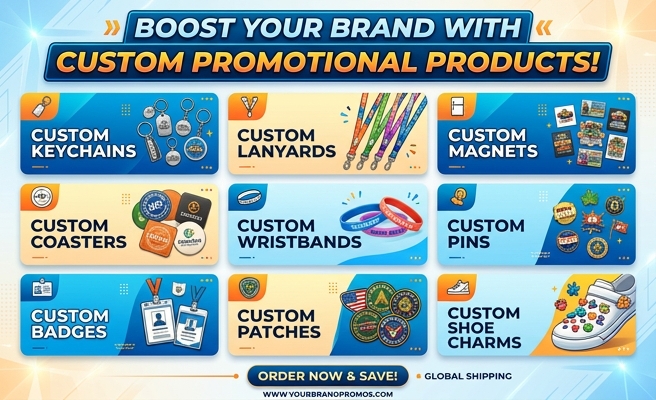
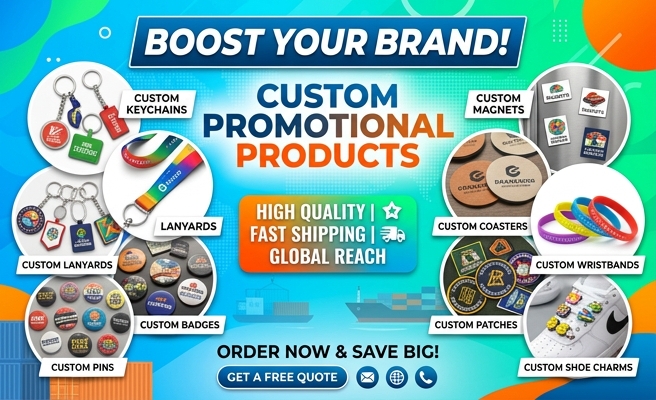
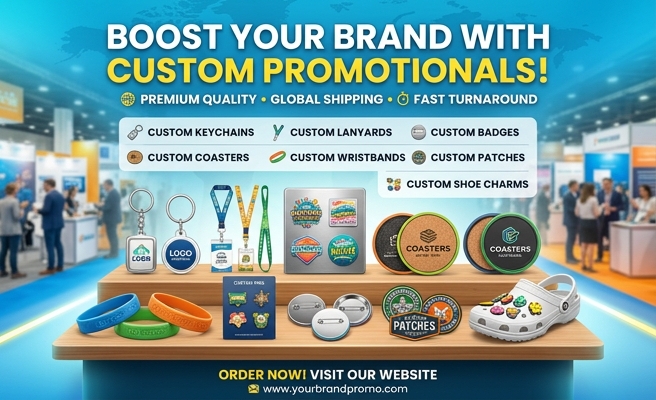
Custom keychains are personalized key holders or accessory tags made with a brand logo, artwork, message, or functional add-on. Companies use them for promotions, retail merch, employee gifting, school spirit, nonprofit fundraising, and event swag because they are affordable, portable, and highly customizable.
What is changing in 2026 is the standard. Buyers expect better design, more useful features, cleaner sourcing, and social-media-friendly packaging. If your brand still treats keychains like an afterthought, you are likely missing one of the simplest ways to turn a small item into a long-term brand touchpoint.
Table of Contents
- Sustainable Materials Are Moving to the Center
- Functional Keychains Are Outperforming Novelty Alone
- Layered Texture and Mixed Materials Feel More Premium
- Bold Die-Cut Shapes Are Winning More Attention
- Retail-Ready Packaging Is Becoming Part of the Product
- Limited Drops and Creator Collabs Build Demand Fast
- Data-Led Ordering Reduces Waste and Improves ROI
- How to Choose the Right Keychain Style for Your Brand
- Common Mistakes That Hurt Results
Sustainable Materials Are Moving to the Center
Eco claims used to sit in the background. Now they influence buying decisions much earlier in the process. According to the 2024 Sustainable Market Share Index from the New York University Stern Center for Sustainable Business, products marketed as sustainable continued to grow faster than conventionally marketed alternatives in many consumer categories. While keychains are a small-format item, the buying logic is the same: people want merchandise that reflects a brand’s values, not just its logo.
For custom keychains, that means more demand for recycled acrylic, FSC-certified wood, cork, RPET straps, and low-waste packaging. Metal is still a staple for durability, but many brands are pairing it with recycled cards or minimalist paper wraps instead of plastic bags. The smart move is to treat material selection as part of brand storytelling, not a technical footnote.
- Wood works well for coffee shops, outdoor brands, and nonprofits.
- Recycled acrylic fits artist merch, campus programs, and startup giveaways.
- Metal suits luxury, automotive, hospitality, and corporate gifting.
- Soft PVC still performs for playful mascots and family-focused brands, but should be sourced carefully.
The risk: sustainability language is easy to overstate. If you call a product eco-friendly, you need supplier proof, material specs, and packaging details that hold up under scrutiny. Vague claims can weaken trust faster than a plain product ever would.
Functional Keychains Are Outperforming Novelty Alone
Novelty gets a smile. Utility gets repeat use. That is a major difference in branded merchandise performance. A keychain with a bottle opener, mini flashlight, NFC tap feature, trolley coin, cable wrap, or sanitizer holder gives people a reason to keep it attached. The longer it stays in circulation, the more impressions your brand earns.
Promotional Products Association International reported in its 2024 consumer research that usefulness remains one of the strongest drivers of retention for branded merchandise. That matters because the best custom keychains are no longer judged only by decoration. They are judged by whether they solve a tiny everyday need.
“The future of small-format merch is usefulness layered with identity. If it helps someone once a day, the logo becomes part of their routine rather than a sales pitch.”
That said, function adds complexity. More components can increase unit cost, assembly time, and failure rates if the product is poorly engineered. A cheap opener that bends or a flashlight with weak battery life can do more harm than good. Test samples before full production, especially if your brand position depends on quality.
Layered Texture and Mixed Materials Feel More Premium
Flat and generic is losing ground. In 2026, more brands are choosing custom keychains that combine enamel with metal, leatherette with debossing, acrylic with epoxy, or woven tabs with hardware. These combinations add tactile value. People may not know the production terms, but they instantly notice when a keychain feels more substantial.
This trend matters because brand perception is often built through texture, weight, and finishing details. A matte black metal keychain with a recessed logo says something very different from a thin plastic tag with a printed sticker. If your company wants to signal craftsmanship, durability, or higher price positioning, material layering can do a lot of that work before anyone reads a word.
I have seen this play out firsthand with Best Patches. We worked with a boutique motorcycle apparel label that was tired of handing out standard promo items at shows. We recommended a metal-and-leatherette keychain with antique brass hardware and a debossed mark that matched the stitching language in their jackets. Their team initially worried the higher unit cost would hurt volume, but the opposite happened: attendees treated it like merch worth keeping, not freebie filler.
After the event, the client told us customers were posting the keychains alongside jacket purchases, which gave the brand a cleaner visual identity across social channels. The lesson was simple. When the accessory matches the brand’s existing materials and mood, it stops feeling separate from the product line.
Bold Die-Cut Shapes Are Winning More Attention
Standard circles and rectangles are still useful, but they rarely stop the scroll. Die-cut shapes based on mascots, product silhouettes, signatures, badges, or icons create instant recognition and a stronger “that’s ours” effect. This is especially important for creator brands, fandom merch, campus organizations, food concepts, and startups trying to stand out at crowded events.
The strongest die-cut keychains do three things well:
- They simplify the shape so it reads clearly at small size.
- They leave enough margin around hardware holes to prevent cracking or tearing.
- They prioritize one hero visual instead of cramming in too much copy.
One challenge is production tolerance. Intricate cuts, thin edges, and tiny text can look good on screen but fail in real life. A design may need to be simplified to survive daily wear. Good vendors will flag that before production. Weak vendors will print it anyway and let you deal with breakage later.
“If your keychain shape can be recognized from six feet away, you are not just making merch. You are building a portable brand asset.”
Retail-Ready Packaging Is Becoming Part of the Product
Packaging used to be ignored unless the item was heading to a store shelf. That is no longer the case. Unboxing culture has pushed even low-cost accessories into a more visual, presentation-driven role. A sharp backing card, QR code insert, care note, or brand story card can raise perceived value without dramatically changing production cost.
For ecommerce brands, packaging also affects giftability. For events, it affects whether staff can distribute products fast and neatly. For retail, it affects sell-through. According to McKinsey’s 2024 insights on consumer packaging behavior, shoppers increasingly connect packaging quality and sustainability with overall brand trust. Keychains may be small, but they are still part of that trust equation.
Here is a practical comparison of where different styles fit best:
| Brand Type | Best Keychain Style | Primary Goal | Typical Packaging Choice |
|---|---|---|---|
| Coffee shop chain | Wood or soft enamel charm | Local loyalty and gift add-ons | Recycled kraft card with story tag |
| Tech startup | Minimal metal keychain with NFC option | Event networking and product demo traffic | Clean sleeve card with QR code |
| University bookstore | Die-cut acrylic mascot design | Spirit merch and impulse purchases | Hang card with school colors |
| Luxury hotel | Brushed metal with leatherette strap | Premium guest gifting | Foil card inside presentation sleeve |
| Nonprofit fundraiser | Silicone or recycled acrylic awareness tag | Donation thank-you and cause visibility | Informational card with campaign message |
The caution here is overdesign. If packaging adds cost but not clarity, the project gets bloated fast. Every printed insert should serve one purpose: explain, elevate, or convert.
Limited Drops and Creator Collabs Build Demand Fast
Scarcity works when it feels real. Instead of ordering one generic keychain all year, more brands are using small seasonal runs, artist collabs, location-exclusive editions, and milestone drops. This approach gives a low-cost product the energy of a collectible.
At Best Patches, I worked on a launch for a regional streetwear pop-up that wanted a fast add-on item under a tight budget. Rather than one broad design, we recommended three short-run custom keychains tied to different neighborhood references. Customers began trading them during the event, and the final style sold out first because it felt local and limited, not mass-produced.
That campaign also taught us the downside. Limited drops can frustrate buyers if replenishment plans are unclear. If you use scarcity, set expectations early. Label an item as “edition drop,” “event-only,” or “seasonal release” so customers understand why it may not return.
Data-Led Ordering Reduces Waste and Improves ROI
One of the biggest shifts in 2026 is not visual at all. It is operational. Brands are using better event data, sales history, and audience segmentation to decide what to order, how much to order, and where each style should go. This matters because over-ordering branded merchandise creates cost, storage headaches, and waste.
According to Deloitte’s 2025 marketing and commerce outlook, companies are under increasing pressure to prove the business value of customer touchpoints and reduce inefficient spend. For custom keychains, that means treating them like measurable assets rather than “extra swag.”
Use simple tracking methods:
- Assign different designs to different events and compare scan rates or coupon redemptions.
- Use packaging QR codes tied to campaign landing pages.
- Track sell-through by style, color, and finish in retail or online shops.
- Ask new customers where they got the item if keychains are part of community outreach.
The limitation is that not every brand touchpoint converts directly. Some keychains are better at memory and affinity than immediate sales. That does not make them ineffective. It means your measurement model should include brand recall, repeat visits, user-generated posts, and customer retention, not just last-click revenue.
How to Choose the Right Keychain Style for Your Brand
Trends help, but fit matters more. The right custom keychains align with audience behavior, price point, and distribution channel. A premium hotel gift should not feel like student-club swag. A youth creator launch should not look like a corporate golf giveaway.
Use this process before placing an order:
- Define the job: giveaway, retail merch, employee gift, fundraiser, or event lead magnet.
- Set your retention goal: one-time awareness, long-term daily use, or collectible appeal.
- Match material to brand voice: metal for polish, acrylic for color, wood for warmth, PVC for playfulness.
- Test packaging and hardware: split ring quality matters more than many buyers expect.
- Order samples: compare weight, finish, print sharpness, and attachment strength.
- Plan distribution: bulk handout, point-of-sale add-on, ecommerce insert, or VIP welcome kit.
If your budget is tight, focus on one hero feature instead of trying to do everything. A great die-cut shape or a premium clasp can be more memorable than stacking too many effects into one overcrowded design.
Common Mistakes That Hurt Results
Even strong ideas can fail in production or distribution. The most common problems are not dramatic. They are small decisions that chip away at usefulness and perceived value.
- Using logos with tiny text that becomes unreadable at keychain size.
- Choosing weak rings or clasps that fail before the artwork does.
- Ignoring audience lifestyle and selecting style based only on internal preference.
- Ordering large volumes without testing one or two versions first.
- Skipping packaging when the item is meant for retail or gifting.
- Making sustainability claims without clear sourcing documentation.
Another mistake is treating all audiences the same. A conference attendee, a college student, a donor, and a boutique shopper do not want the same object. The strongest programs segment designs by context, not just by budget.
Conclusion
Custom keychains are staying relevant because they sit at the intersection of visibility, utility, and identity. The brands getting the best results in 2026 are not buying random trinkets. They are choosing better materials, stronger functions, smarter packaging, more distinctive shapes, and tighter rollout strategies.
Best Patches recommends three practical next steps:
- Audit your current merch and remove any item that lacks daily use or visual distinction.
- Prototype two or three custom keychain directions for different audiences instead of forcing one design to do everything.
- Test packaging, material, and distribution as a single brand experience, then track what actually gets kept, shared, or sold.
If you approach keychains as miniature brand assets rather than leftover swag, they can deliver far more than their size suggests.
References
- New York University Stern Center for Sustainable Business, 2024 Sustainable Market Share Index — used to support the rise of sustainability-led buying behavior.
- Promotional Products Association International, 2024 consumer research — referenced for the importance of usefulness and retention in branded merchandise.
- McKinsey, 2024 consumer packaging insights — used to frame how packaging quality and sustainability influence trust.
- Deloitte, 2025 marketing and commerce outlook — referenced for increasing pressure on marketers to measure spend efficiency and customer touchpoint value.
FAQ
What is the best material for custom keychains?
-
It depends on your goal. For long-term durability and a polished feel, metal is a strong choice. Acrylic works well for colorful artwork and retail merch. If your brand is leaning into sustainability, wood, cork, or recycled acrylic can be a better fit.
How thick should an acrylic keychain be?
-
3 mm is the most common thickness because it balances durability and cost. Thinner options may reduce price, while 5 mm can create a more premium look for retail or gift items.
How much do custom keychains cost?
-
Pricing changes based on material, quantity, finish, and packaging. A general range looks like this:
Basic acrylic in bulk: roughly $0.50 to $1.50 each
Metal styles: often $1.50 to $3.50 or more
Mixed-material premium designs: commonly $3.00 and up
Custom packaging: adds cost but can raise perceived value and retail readiness
Do keychain manufacturers have minimum order quantities?
-
Usually, yes. Many suppliers set minimums between 10 and 50 pieces, though some custom factories require higher counts for metal molds or specialty finishes. Small-batch and print-on-demand options may allow lower quantities at a higher per-unit price.
What file format should I use for keychain design?
-
Most suppliers prefer clean, production-ready art files such as:
.AI or .SVG for vector artwork
.PNG with transparent background at 300 dpi or higher
Outlined fonts to avoid missing type issues
Separate layers when sending artwork with front and back printing
Can I make keychains without expensive equipment?
-
Yes. Many small businesses begin without heavy equipment by using outside production partners or simple at-home methods. You can start by:
Designing with free or low-cost tools
Ordering small test runs from a custom supplier
Using blank inserts, resin, or printable acrylic kits for handmade versions
Testing demand before investing in a larger merch program
What are the most popular shapes for keychains?
-
Traditional circle, rectangle, and shield shapes still sell well, but custom die-cut silhouettes are often the strongest performers for attention and collectibility. Shapes based on mascots, icons, products, or badges tend to stand out more than generic forms.