Why Custom Keychains Are Worth Learning
If you are trying to launch merch, promote a brand, or turn artwork into a physical product, custom keychains are one of the smartest places to start. They are affordable, easy to ship, simple to bundle with other products, and useful enough that customers actually keep them. For beginners, that combination matters because it lowers risk while still giving you room to create something that feels premium.
That is also why brands, artists, schools, nonprofits, and event organizers keep coming back to them. At Best Patches, we have seen first-time buyers go from a rough sketch to a polished product line faster with keychains than with many other custom items. The format is forgiving, but manufacturing still has details that can make the difference between a product that gets compliments and one that gets tossed in a drawer.
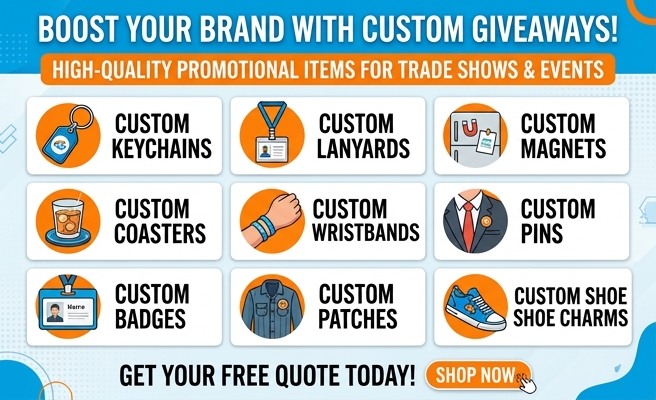
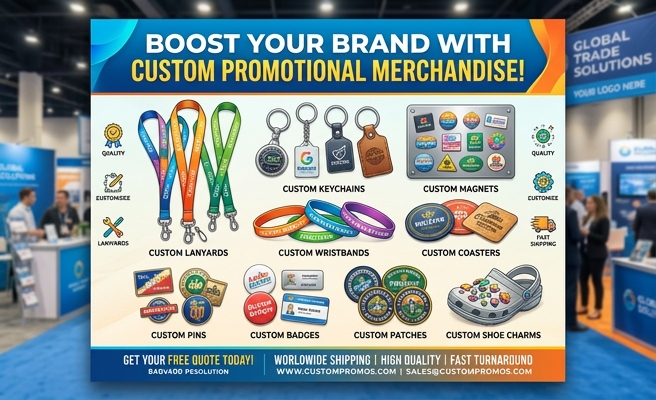
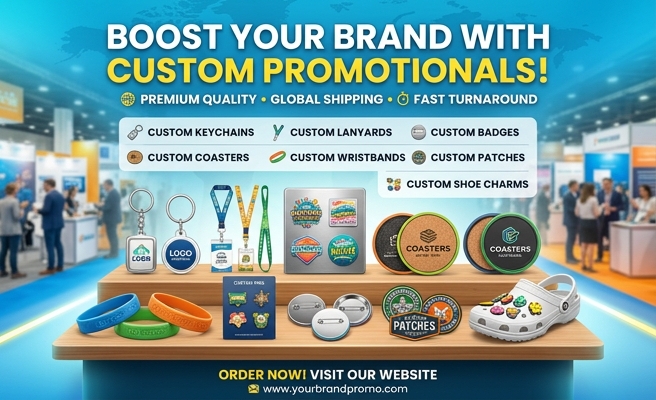
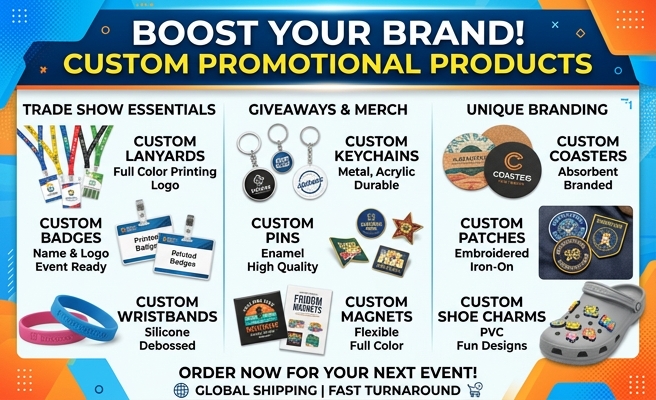
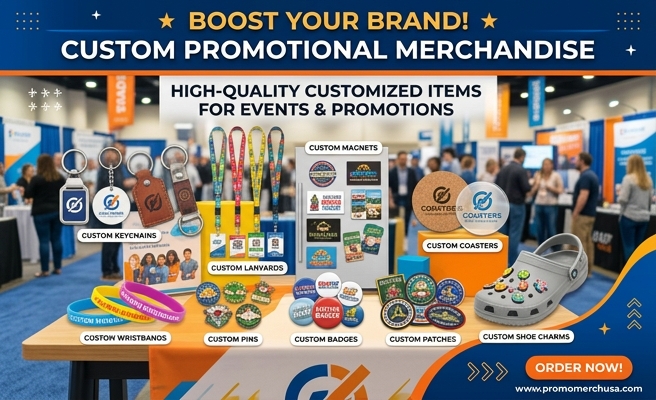
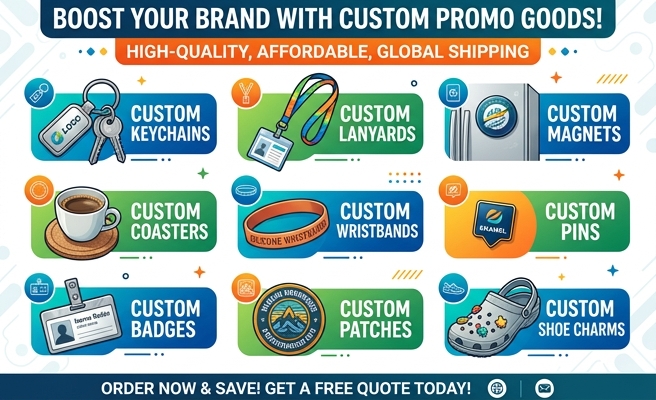
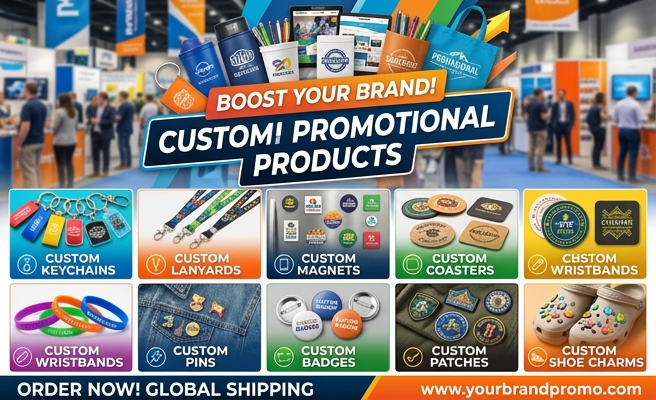
Custom keychains are personalized key holders made from materials such as acrylic, metal, PVC, wood, leather, or epoxy-coated printed pieces. They are commonly used for retail merch, promotional giveaways, club branding, artist products, event gifts, and fundraising items.
In manufacturing terms, a custom keychain is a small-format product that combines artwork, material selection, hardware, and finishing into one compact item. That makes it beginner-friendly, but it also means every small decision is visible in the final result.
Table of Contents
- Where Custom Keychains Fit in the 2026 Market
- Manufacturing Methods Beginners Should Know
- Materials, Hardware, and Finish Choices
- Design Files That Reduce Production Errors
- How the Manufacturing Workflow Actually Works
- Costs, MOQs, and Margin Planning
- Quality Control, Safety, and Common Risks
- What We Learned at Best Patches
- How to Choose the Right Manufacturing Partner
Where Custom Keychains Fit in the 2026 Market
Small branded products are still doing serious work in 2026 because people want items that are both personal and practical. A keychain sits at the intersection of everyday utility and self-expression. It can hold apartment keys, decorate a backpack, support a fandom, or serve as a low-cost giveaway with long shelf life.
According to the 2024 Advertising Specialty Institute Ad Impressions Study, useful promotional products continue to outperform many disposable ad formats in recall because people keep them and interact with them repeatedly. That is a major reason keychains remain strong for trade shows, campus organizations, restaurants, gyms, and creator merch shops.
A 2024 McKinsey report on personalization also reinforced what product teams already know: buyers respond better when products feel tailored to identity, occasion, or community. Custom keychains fit that trend perfectly because they can be highly specific without requiring a large budget.
“The best beginner product is not always the flashiest one. It is the one customers understand immediately, buy without hesitation, and use often. Keychains check all three boxes.”
That said, demand does not mean every keychain will sell. Generic shapes, weak artwork, cheap hardware, and poor finishing can make a product look forgettable. The opportunity is real, but so is the competition.
Manufacturing Methods Beginners Should Know
Before you price, design, or contact a supplier, you need to know how custom keychains are actually made. Different methods create different looks, costs, turnaround times, and minimum order quantities.
Acrylic Printing and Die-Cutting
This is often the easiest starting point for beginners. Artwork is printed onto clear or colored acrylic, then cut into a custom outline. Acrylic keychains are lightweight, colorful, and great for artists, fandom merch, and online stores. They also photograph well, which helps with ecommerce.
Soft PVC Molding
PVC keychains use molded rubber-like material and are popular for mascots, bold logos, and dimensional cartoon designs. They feel tactile and playful. They can also be more forgiving for outdoor use than some printed surfaces.
Metal Stamping or Die Casting
Metal keychains are the premium option for corporate gifts, auto dealers, hospitality brands, and commemorative products. They can be plated, enamel-filled, engraved, or cut into custom silhouettes. The tradeoff is higher tooling cost and a more technical setup.
Wood, Leather, and Hybrid Builds
These work well when a brand wants a handcrafted or eco-conscious look. Wood engraving and leather embossing can feel upscale, but both require more careful handling because natural materials vary from piece to piece.
Materials, Hardware, and Finish Choices
Material choice affects much more than appearance. It changes how your artwork translates, how the product feels in hand, how long it lasts, and how much customers think it is worth.
- Acrylic: Best for vivid printed art, low-to-mid budgets, and creator merchandise.
- Metal: Best for premium branding, durability, and executive or commemorative use.
- PVC: Best for playful dimension, mascot designs, and outdoor-friendly products.
- Wood: Best for rustic, eco-oriented, or boutique brands.
- Leather or faux leather: Best for minimal, upscale branding and hotel or automotive uses.
Hardware matters too. Beginners often spend all their attention on the artwork and forget that weak split rings and thin chains create a cheap experience. A solid ring, secure jump ring, and consistent clasp finish do more for perceived quality than many people expect.
Finish options can include glitter epoxy, holographic film, matte lamination, screen-printed white backing, antique plating, translucent enamel, or double-sided printing. These details raise production complexity, but they can also raise retail value when used with restraint.
The main limitation is overdesign. Too many finishes on a small item can muddy the art, inflate costs, and cause longer sampling cycles. If the product is under three inches, clarity usually beats complexity.
Design Files That Reduce Production Errors
Most manufacturing problems do not start on the factory floor. They start in the artwork file. Beginners lose time and money when they send low-resolution images, unclear cut lines, or text that is too small to reproduce cleanly.
For most suppliers, the safest setup includes vector files for logos and line work, plus a high-resolution PNG for print reference. If the design includes a custom shape, the cut line should be clearly separated from the artwork layer. If it includes white ink, epoxy, or double-sided art, each production layer should be labeled.
Adobe’s 2024 creative workflow findings continued to show that production-ready assets reduce revision loops and approval delays across print products. In practical terms, that means clean files are not just a designer preference. They are a profitability tool.
Common File Mistakes
- Using screenshots instead of original artwork
- Submitting RGB files without confirming print conversion
- Forgetting bleed and safe area
- Leaving tiny text or hairline strokes in the design
- Not outlining fonts before submission
“A beginner can absolutely get professional results, but the file has to speak the manufacturer’s language. Clear layers, clear dimensions, and clear notes save everyone time.”
How the Manufacturing Workflow Actually Works
Beginners often think manufacturing starts when the machine turns on. It starts much earlier, with quoting, proofing, sampling, and approval. If you understand the sequence, you can avoid the most common delays.
- Define the goal. Decide whether the keychain is for resale, promotion, fundraising, gifting, or internal brand use.
- Choose the material and size. Match the style to the budget, artwork, and expected use.
- Prepare production files. Include dimensions, cut lines, hardware location, print sides, and finish notes.
- Request a digital proof. Review colors, edge spacing, text size, and attachment point placement.
- Approve a sample if needed. This is especially important for metal, PVC, or high-volume orders.
- Move into production. The supplier prints, molds, casts, cuts, assembles, and packs the order.
- Inspect before distribution. Check ring strength, print registration, scratches, plating consistency, and count accuracy.
Production speed varies. Acrylic can move fast. Metal and molded products usually take longer because tooling, plating, and finishing require more steps. Rush orders are possible, but they often increase the chance of missed details if the proof stage is rushed too.
What Beginners Should Approve Before Production
You should never approve a proof based only on whether the art “looks cool.” Check the exact size, border thickness, hole placement, hardware style, front-and-back orientation, and packaging method. A beautiful proof can still become a frustrating product if the ring placement covers the artwork or the piece feels smaller than expected.
Costs, MOQs, and Margin Planning
Pricing custom keychains is not just about cost per unit. You also need to account for setup charges, sample fees, shipping, packaging, failure rate, and platform fees if you are selling online. Beginners often underprice because they compare only the base quote.
As a rule, acrylic tends to offer the easiest path to healthy beginner margins. Metal offers stronger premium pricing, but only if the audience values that upgrade. Promotional giveaways follow a different logic than retail merch. A brand may accept lower perceived uniqueness if the item is durable and affordable at scale.
| Business Scenario | Recommended Material | Typical Cost Goal | Why It Fits |
|---|---|---|---|
| Anime artist selling on Etsy | Double-sided acrylic | Low unit cost, mid retail markup | Bright art, light shipping weight, strong visual appeal |
| Local gym member giveaway | Soft PVC | Moderate bulk budget | Durable, sporty, and easy to brand with mascots or slogans |
| Auto dealership loyalty gift | Stamped metal | Higher unit cost, premium feel | Matches a higher-value transaction and reinforces brand trust |
| Coffee shop seasonal merch | Printed acrylic with epoxy | Controlled mid-range spend | Fast to update for new drink launches or holiday drops |
| Nonprofit fundraiser at an event | Wood or acrylic | Low upfront cost, broad appeal | Easy to explain, easy to sell, and simple to package |
A healthy beginner approach is to test with a small batch first, then reorder based on actual demand. The risk with jumping straight into a large run is not only unsold stock. It is locking yourself into a design that may need revisions after customer feedback.
Quality Control, Safety, and Common Risks
Even the best design can fail if quality control is weak. Keychains are handled constantly, dropped on hard surfaces, and clipped onto bags or keys that rub against metal. That means production has to account for abrasion, attachment stress, and edge comfort.
Pay close attention to these risk areas:
- Printed surfaces that scratch too easily
- Thin jump rings that open under daily use
- Sharp acrylic or metal edges
- Poor color matching between proof and final run
- Plating inconsistency on metal pieces
- Designs that violate copyright or trademark law
Compliance also matters more than beginners expect. If keychains are intended for children, sold internationally, or bundled with products in regulated categories, material and safety requirements can become more specific. Always ask your supplier what tests or documentation they can provide.
The legal side is just as important as the physical side. If your design uses a licensed character, sports logo, or celebrity image without permission, the manufacturing process itself may go smoothly while the product still creates major business risk. This is one area where beginners should stay conservative.
What We Learned at Best Patches
At Best Patches, I have seen the biggest beginner mistake happen over and over: people choose a manufacturing style based on what they personally like, not on what their audience will actually buy. One of our clients, a small college club, originally wanted heavy metal keychains because they looked impressive. After we reviewed their budget, audience, and expected sales volume, we recommended acrylic instead. The club launched two die-cut designs at a lower price point and sold through the entire run during orientation week.
What made that project work was not just the lower cost. We resized the artwork for better readability, changed the ring placement so the logo stayed visible, and added a white backing layer to keep the school colors bright. The final product looked sharper than the original concept and left enough margin for the club to raise funds instead of just breaking even.
I also remember a startup coffee brand that came to us after a disappointing run from another supplier. Their custom keychains looked fine on screen but arrived with muddy colors and weak hardware. We rebuilt the file with proper bleed, simplified the shape, upgraded the ring, and tested a glossy epoxy finish. The second run was cleaner, sturdier, and far easier for them to photograph for social media and online sales.
Those projects reinforced a simple lesson: beginner success rarely depends on a flashy production trick. It depends on matching the right manufacturing method to the right use case, then getting the details right before production begins.
How to Choose the Right Manufacturing Partner
Not every supplier is a good fit for every buyer. Some are excellent for low-MOQ artist merchandise. Others are better for large promotional runs or technical metal work. The right partner is the one that communicates clearly, catches file issues early, and can explain tradeoffs instead of simply quoting the cheapest option.
When comparing manufacturers, ask these questions:
- What are your minimum order quantities by material?
- Do you provide digital proofs or physical samples?
- What file types do you prefer?
- Can you match Pantone colors or only approximate them?
- What hardware options are included?
- How do you handle defects, reprints, or missing pieces?
- What is the realistic turnaround time including shipping?
A good supplier will answer directly and point out possible issues before you pay. A weak supplier will give vague promises, overlook artwork problems, and avoid specifics about production standards. For beginners, communication quality is often a better predictor of success than the lowest quote.
If you are choosing between several options, start with one smaller order and evaluate the sample with real use in mind. Put it on keys. Drop it in a bag. Check the ring after a week. Product quality is not fully visible on a mockup.
Conclusion
Manufacturing custom keychains in 2026 is still one of the most practical entry points for creators and brands that want a custom product without oversized risk. The real skill is not simply making a keychain. It is choosing the right material, preparing accurate files, understanding production limits, and building quality into the process from the start.
Best Patches recommends these next actions:
- Start with one design in acrylic or PVC and test a small batch before scaling.
- Prepare production-ready artwork with clear cut lines, dimensions, and hardware notes.
- Ask for a proof or sample and review size, color, and durability before full production.
References
- Advertising Specialty Institute, 2024 Ad Impressions Study: Supports the long-term branding value of useful promotional products.
- McKinsey, 2024 personalization research: Reinforces the growing influence of personalized products on buyer preference.
- Adobe, 2024 creative workflow findings: Highlights how production-ready files reduce revision cycles and improve output consistency.
FAQ
What is the best material for custom keychains?
-
It depends on your goal. For durability and a polished look, metal is hard to beat. Acrylic is a favorite for artists because it is lightweight, colorful, and budget-friendly. If sustainability is part of your brand story, wood or cork can be strong alternatives.
How thick should an acrylic keychain be?
-
Most acrylic keychains are around 3mm thick, which gives a sturdy feel without becoming bulky. Some manufacturers offer 2mm for lower cost or 5mm for a more premium feel, but 3mm is the safest beginner choice.
Can I sell keychains with copyrighted images?
-
Usually not unless you own the rights or have permission. Using protected logos, characters, or brand assets can create takedown requests or legal problems. Safer options include:
-
Creating original artwork inspired by a theme rather than copying a protected design
-
Licensing artwork through approved partnerships
-
Getting written permission before production
How much does it cost to make custom keychains?
-
Cost depends on material, order quantity, size, and finishing. A rough starting range looks like this:
-
Acrylic custom keychains: about $0.50 to $1.50 each in bulk
-
Metal keychains: often $1.50 to $3.00 or more
-
DIY home-made pieces: around $2 to $5 each depending on tools and materials
-
Packaging and shipping: should always be added to your true cost
Do keychain manufacturers have minimum order quantities?
-
Yes, many do. Common MOQs range from 10 to 50 units for beginner-friendly styles, while some specialized metal or molded products may require larger runs. Sample-friendly suppliers may offer lower quantities at a higher per-piece price.
What file format should I use for keychain design?
-
Always confirm with your supplier, but these are usually the safest formats:
-
.AI or .SVG for vector-based artwork
-
.PNG with a transparent background at 300 DPI or higher
-
.PDF when layers and layout need to stay intact
-
Outlined fonts and separate cut lines whenever possible
Can I make keychains without expensive equipment?
-
Yes. Many beginners start with simple tools or outsource production while focusing on design and marketing. Good low-cost options include:
-
Using free design tools like Canva or Photopea
-
Ordering small-batch production from online suppliers
-
Testing one or two designs before investing in inventory
-
Upgrading materials only after real demand is proven
What are the most popular shapes for keychains?
-
Circle and rectangle shapes still sell well, but custom die-cut outlines are usually more memorable. Shapes that follow the artwork, such as mascots, logos, or product silhouettes, feel more distinctive and less mass-produced.